


5 Institutional-Grade Self-Custody Wallets Built for High-Net-Worth Crypto Holders
Bron, Fordefi, Utila, Ledger Stax and Flex, and Cregis compared for wealthy crypto holders. Who each wallet fits, how recovery and approvals work, and where each one falls short.
If you hold serious size and want to keep your own keys, the five wallets worth shortlisting are Bron, Fordefi, Utila, Ledger Stax and Flex, and Cregis. Bron is the best match for a private holder, Fordefi for hands-on DeFi operators, and Ledger for offline signing.

One honest caveat shapes this whole list. Only Bron and Ledger are built with an individual in mind. Fordefi, Utila and Cregis sell to companies, so wealthy holders usually reach them through a family office or an entity.
Key takeaway: The word “institutional” matters less than the checklist behind it. Look for split keys, approvals that run before funds move, a recovery plan you have actually read, and audits you can request.
The Five Wallets at a Glance
| Product | Outstanding point | Score | One-line note |
|---|---|---|---|
| Bron | Guardian and biometric recovery with no seed phrase | 4/5 | Short operating history |
| Fordefi | Documented MPC security and a policy engine for DeFi | 4.5/5 | Paxos now owns it |
| Utila | Approval workflows for stablecoin treasuries | 4/5 | Enterprise only in practice |
| Ledger Stax / Flex | Certified secure element, offline signing | 4/5 | Governance needs the Enterprise product |
| Cregis | Self-hosted option plus payments | 3.5/5 | Credentials are mostly self-published |
What changes when the balance gets large
For a small balance, the main risk is a leaked seed phrase. For a large one, the list of risks grows.
A single approver can be tricked. A lost phone can lock you out for good. A family member may have no idea how to inherit anything.
So we judged each product on how it handles those three problems: who can approve, how you get back in, and who can prove the system works. Feature count played no role in the ranking.
1. Bron
Bron pitches itself as custodian-grade security for individuals. Its founder, Dmitry Tokarev, previously ran institutional custodian Copper, and the company reportedly raised $15 million in seed funding.
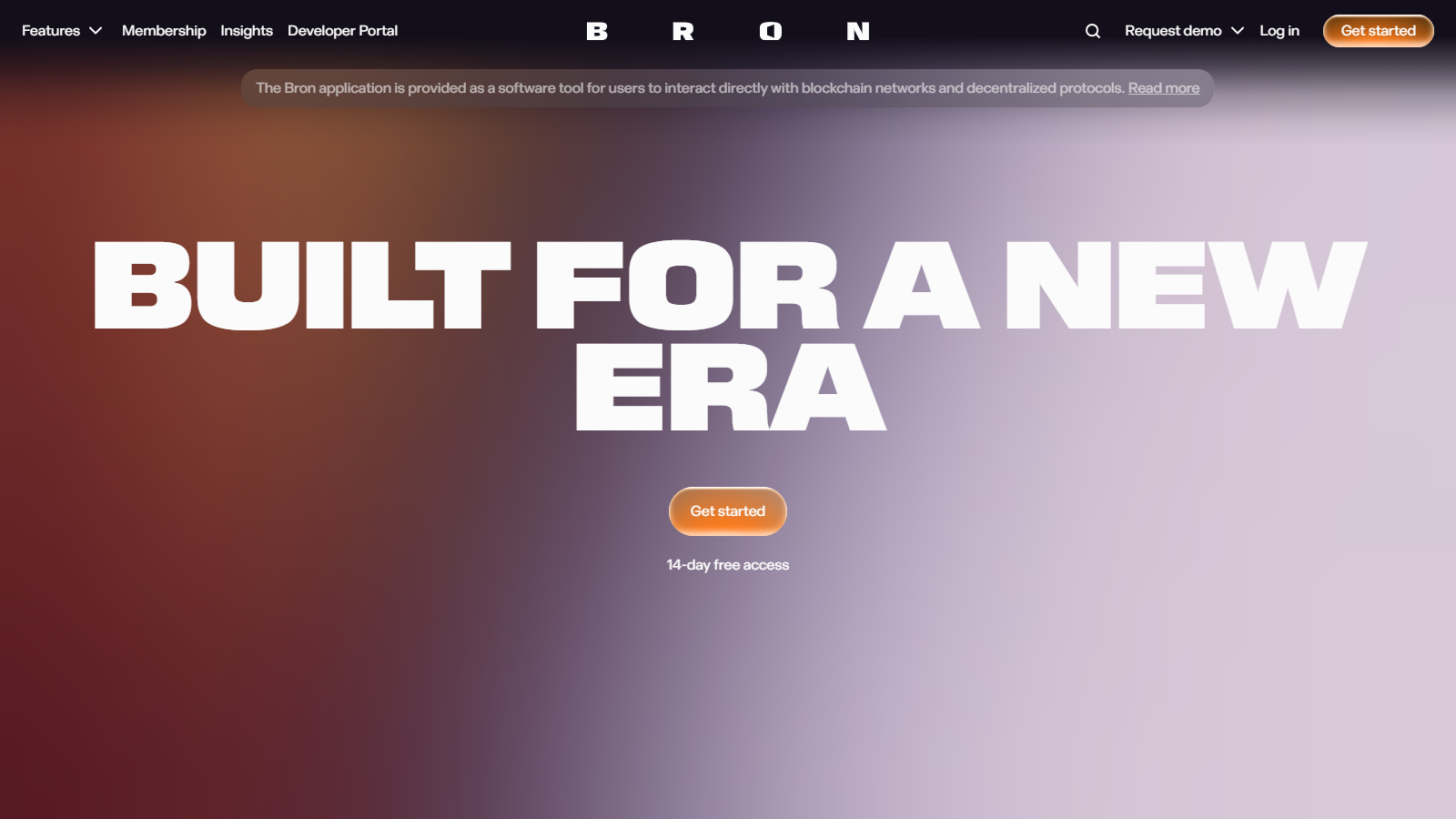
What stood out immediately was the tone. Bron reads like a banking app for keys, with accounts, roles and reports. That suits someone managing a large position, but it will feel like overkill if you only want a cold device in a drawer.
The security design splits the key into three shards across your device, Bron and an independent third party, and any two can sign. Bron alone cannot move your funds.
Recovery is the headline feature. You pick two or three Guardians to confirm a recovery request, and early coverage reported a 48-hour waiting period before access is restored. In October 2026 Bron added FaceScan recovery with iProov as another route.
Skepticism about seedless wallets is common. A r/CryptoCurrency discussion on wallets with no seed phrase included a user worried about vendor lock-in. That thread concerned another product, yet the question is fair here too, and Bron says you can still recover access if the company disappears.
Best for:
- Private holders and families who fear losing access more than theft
- People who need inheritance planning built in
- Households that share view-only access with an accountant
Tradeoffs:
- Limited track record compared with older custodians
- You do not pick the third-party shard holder
- Pricing reported at launch was a subscription, so check current rates
2. Fordefi
Fordefi is built for people who act on-chain every day. Think trading, staking, lending and treasury moves, all gated by rules you write in advance.
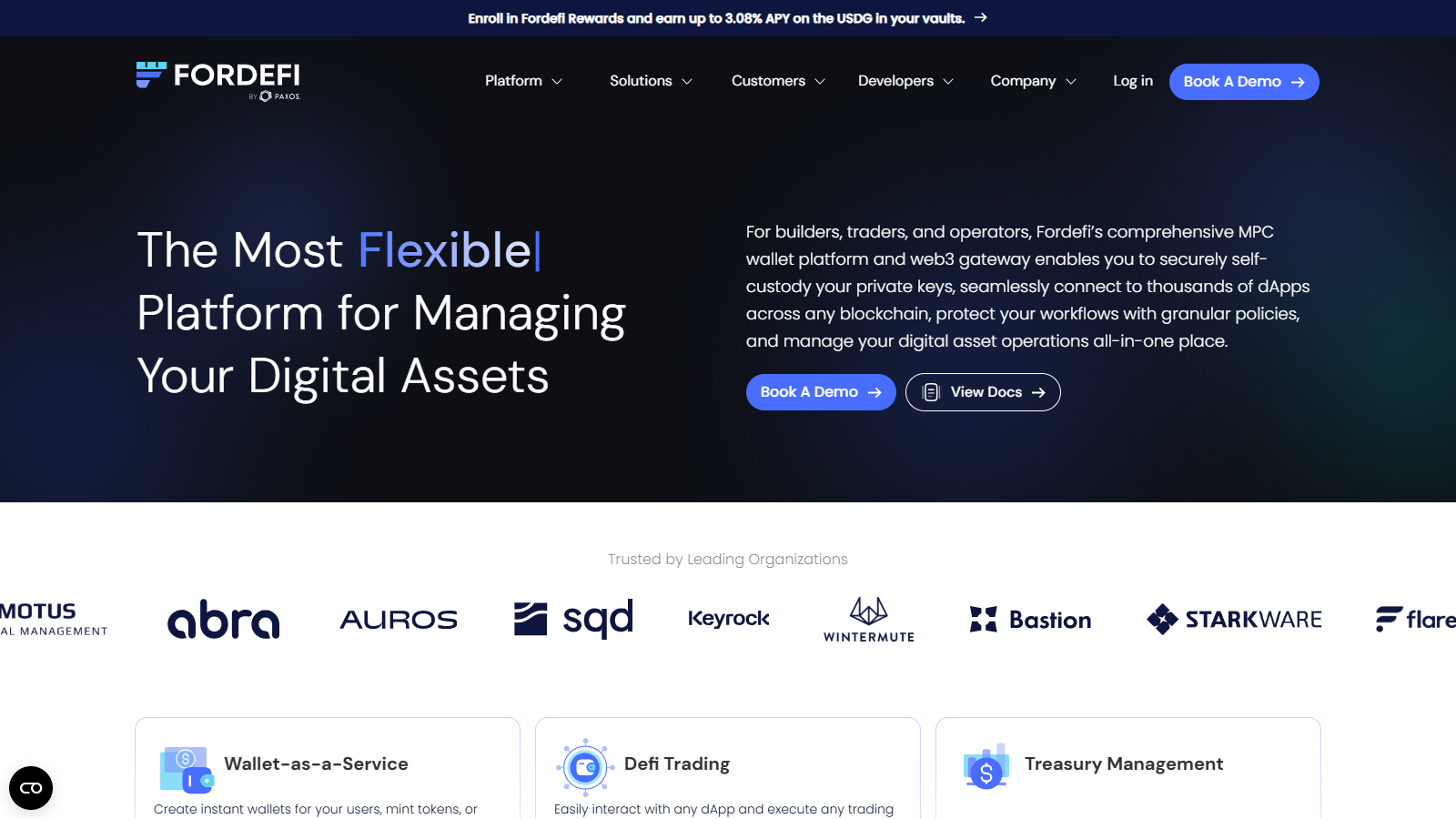
In November 2025, Paxos announced it had acquired Fordefi, citing nearly 300 institutional customers. The product keeps running on its own for now, and Paxos plans to integrate it over time.
The most useful thing Fordefi publishes is its product security documentation. Each key is split between Fordefi and the customer, with Fordefi’s share kept on dedicated AWS machines and the customer’s on a phone or their own server.
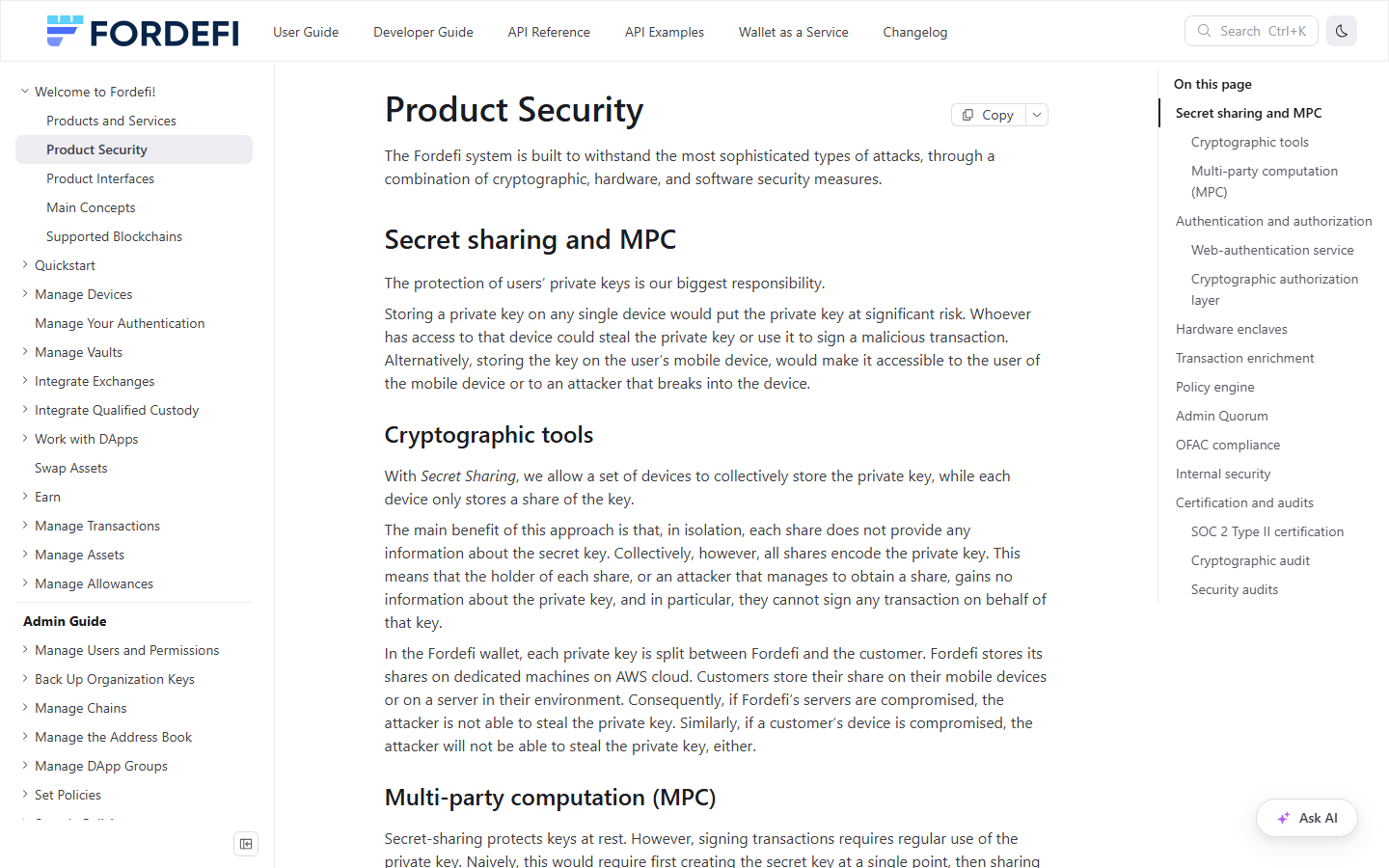
The table of contents tells its own story. It lists hardware enclaves, a policy engine, an admin quorum and OFAC checks. A company that documents this much in public is inviting scrutiny.
Fordefi also reports an EY-performed SOC 2 Type II examination announced in March 2023. It is a vendor post, so ask for the current report before relying on it.
Best for:
- Funds and family offices active in DeFi
- Anyone who needs approval quorums and allowlists
- Buyers who want security details they can read
Tradeoffs:
- Ownership by Paxos may change priorities over time
- Part of the key sits in Fordefi’s cloud
- Access starts with a sales demo
3. Utila
Utila is a control layer for companies that move digital assets all day. Its customers are fintechs, banks, payment firms and stablecoin issuers, so it is the least personal entry on this list.
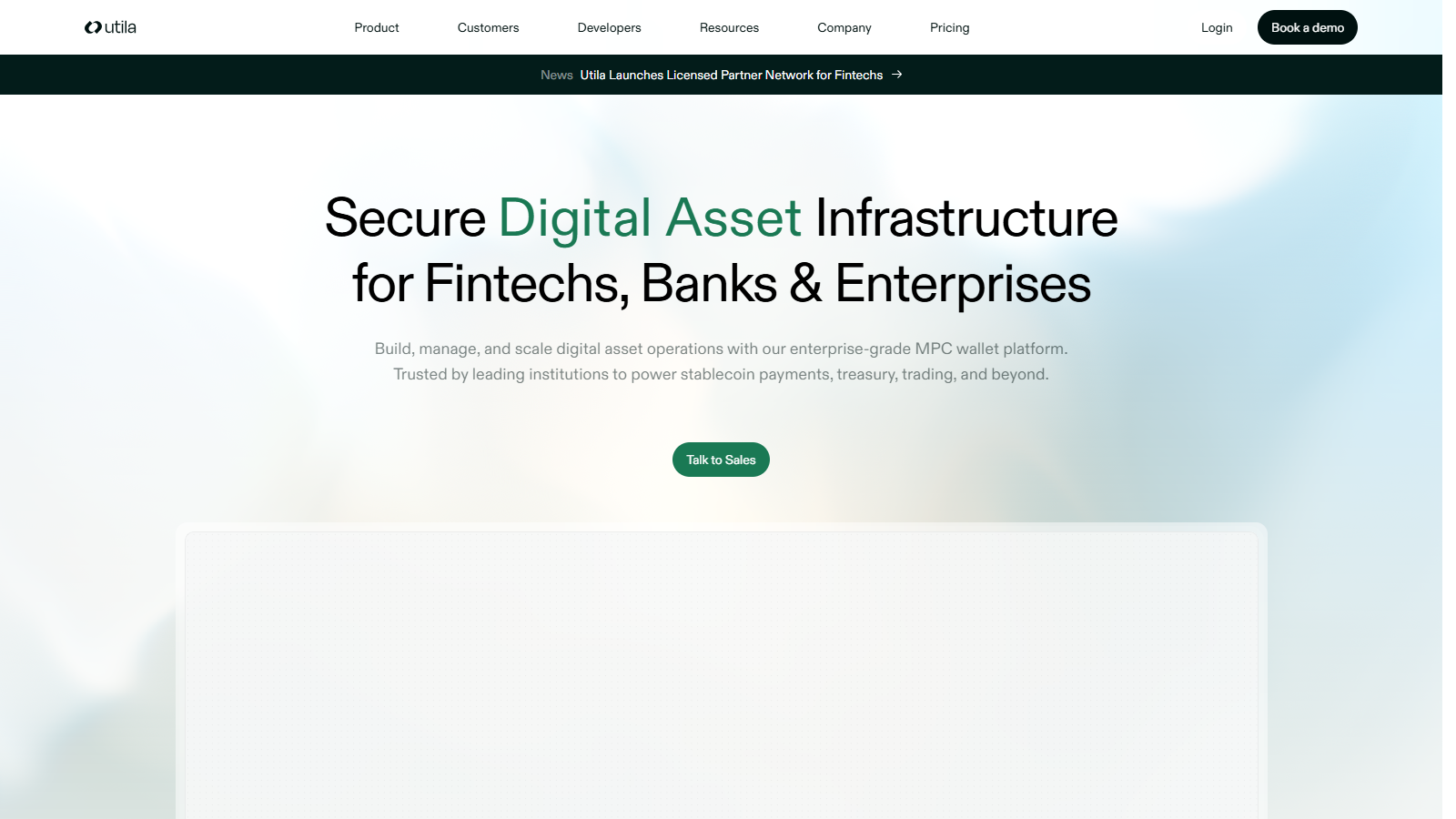
The company raised an $18 million Series A in March 2025 and later extended it by $22 million, taking total funding past $51 million. That report also cited over $15 billion in monthly volume.
The public site is mostly about process. It describes per-user roles and limits, whitelists and quorum protection, and checks that run before a transaction goes out, plus exportable records for audits.
That makes Utila a good match when a family office has several people who touch the money. It is a poor match for a single person who wants to start today.
Best for:
- Family offices with multiple approvers
- Stablecoin treasuries that need reporting
- Teams that want to plug in their own counterparties
Tradeoffs:
- Too heavy for a solo holder
- Onboarding goes through sales
- Volume and customer numbers are company-reported
4. Ledger Stax and Ledger Flex
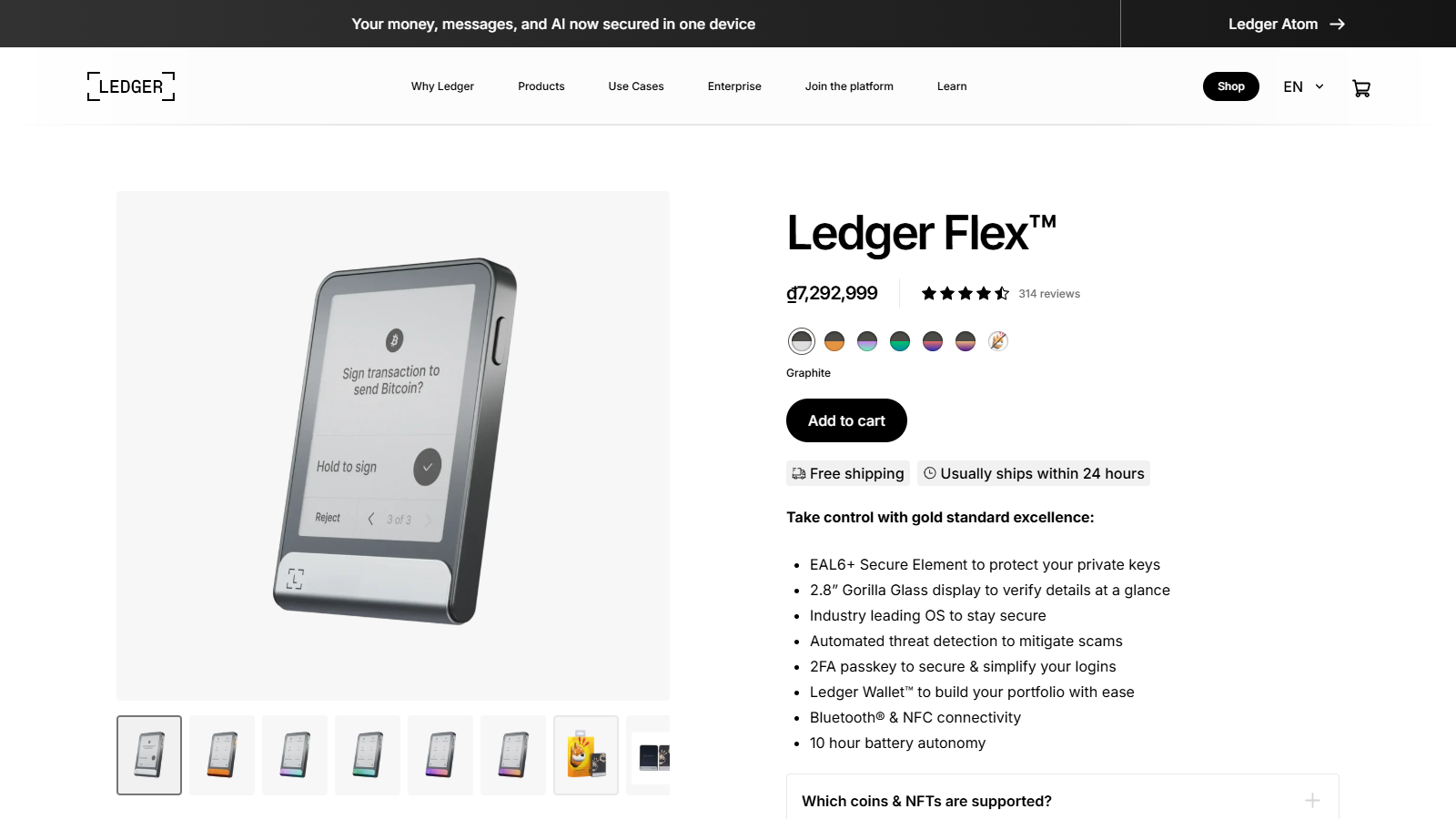
Ledger is the benchmark for hands-on key security. Its product pages list an EAL6+ secure element along with Bluetooth and NFC, and the device signs transactions on its own screen.
A September 2026 CryptoSlate comparison lists Stax at $399 and Flex at $249. The two share the same secure element model and recovery options, so the extra money buys a bigger curved screen and wireless charging.
The catch for wealthy holders is simple. One device means one recovery phrase, and that is a single point of failure unless you build multisig around it. The governance layer is a separate product, and Ledger Enterprise pairs FIPS 140-2 Level 3 HSMs with devices that act as approvers.
Users are candid about the hardware. One person in r/ledgerwallet described repeated lockups and restores on a new Stax. In a Flex versus Gen5 discussion, a couple of commenters called Flex the sweet spot and said Stax needs a price cut.
Best for:
- Holders who want offline signing
- Multisig setups using several devices
- Buyers who prefer to hold the hardware themselves
Tradeoffs:
- A lone device is a single point of failure
- Stax costs more without a security gain
- Team governance requires Ledger Enterprise
5. Cregis
Cregis mixes self-custodial MPC wallets with payments and compliance tooling. Its main differentiator is deployment, since you can run it cloud-native or fully self-hosted, which matters for teams with strict data rules.
The company says it earned SOC 2 Type 2 from auditor Prescient Security after a six-month review, following an ISO/IEC 27001:2022 certification. Mentions of PCI DSS and CertiK Skynet show up only in its own posts, so call them unverified until you see paperwork.
Its published enterprise wallet due diligence guide is worth borrowing. It asks about capacity limits, lost-share recovery and what happens if the vendor vanishes.
Outside feedback is scarce. A rival’s comparison post says Reddit users like the non-custodial approach but mention occasional payment delays and slower support. Because the source competes with Cregis, we weigh it lightly.
Best for:
- Companies that need self-hosting
- Teams that want wallets and payouts together
- Buyers running a formal vendor review
Tradeoffs:
- Credentials mostly come from the vendor itself
- Payments focus may exceed what a holder needs
- Few independent reviews exist
How to choose
- Choose Bron if you are a person or a family and recovery and inheritance worry you most.
- Choose Fordefi if you run DeFi strategies and want rules enforced before funds move.
- Choose Utila if the assets sit in an entity with several approvers and stablecoin flows.
- Choose Ledger Flex or Stax if you want offline signing, ideally as one signer in a multisig.
- Choose Cregis if self-hosting is a hard requirement.
At very large size, consider splitting assets across two different custody models so one failure cannot touch everything.
What we checked before ranking these wallets
We reviewed each product’s live public pages, available documentation, vendor announcements, independent news reports and Reddit discussions. We also captured the pages shown above in November 2026.
That is not a hands-on test. We did not open accounts, move funds, test recovery or obtain vendor quotes.
The clearest difference was not capability. It was the audience each product assumes. Bron speaks to a person, Fordefi and Utila to operations teams, Ledger to a hardware buyer, and Cregis to a compliance lead.
Why you can trust this guide
This guide uses public sources reviewed on November 9, 2026. Certifications, volumes, customer counts and prices come from vendors or press coverage and were not independently audited.
Before you commit funds, request the newest audit report, a written recovery procedure, and an explanation of what happens to your access if the vendor is sold or closes. This is not financial or legal advice.
FAQs
What does institutional-grade mean for a wallet?
It means no single point of failure for keys, approvals enforced before funds move, a tested recovery path, and audits you can request. A strong chip alone is not enough.
Is an MPC wallet safer than a hardware wallet?
They carry different risks. MPC removes the single seed phrase and adds approvals, but it relies on software and vendor infrastructure. A hardware wallet keeps keys offline yet concentrates risk in one device unless you add multisig.
Can an individual use Fordefi, Utila or Cregis?
Usually through a company or family office. All three sell through demos and sales teams rather than a public download.
Did the Paxos deal change Fordefi?
Paxos said Fordefi would keep running its product independently while integrating over time. The price was not disclosed.
Is one Ledger Flex or Stax enough for a large holding?
Not by itself. Use it as one signer in a multisig or through Ledger Enterprise so a single device or phrase is not the whole plan.
What is the risk of a wallet with no seed phrase?
Possible vendor dependence. Get written confirmation of how you would recover and move assets if the company shut down.
Should I split holdings across custody models?
Many careful holders do, for example one MPC setup and one hardware multisig, so one outage or loss cannot reach everything.
Disclaimer: This article is for informational purposes only and does not constitute financial or investment advice. Cryptocurrency and digital asset markets carry significant risk. Always do your own research before making decisions.