


GambleFi and DeFi are both crypto-native yield sectors, but they generate yield from fundamentally different sources. DeFi yields come from lending, liquidity provision, trading fees, and protocol revenue. GambleFi yields come from casino house edge — gambling losses redistributed to token holders. Understanding this distinction is the starting point for comparing sector performance in Q4 2026.

| Factor | GambleFi | DeFi |
|---|---|---|
| Yield source | Casino house edge (gambling revenue) | Lending rates, LP fees, protocol revenue |
| Q4 seasonality | High — peak gambling season + bull market | Moderate — bull market liquidity inflows |
| Volatility | Very high — small-cap tokens | High — varies by protocol maturity |
| Regulatory risk | High — gambling laws + securities laws | Medium — securities classification risk |
| Liquidity | Lower — small-cap sector | Higher — larger TVL and order books |
| Track record | Short for most tokens | Longer for established protocols |
The core difference: yield source
DeFi yield comes from economic activity within crypto-native financial markets:
- Lending protocols (Aave, Compound) pay borrower interest to depositors
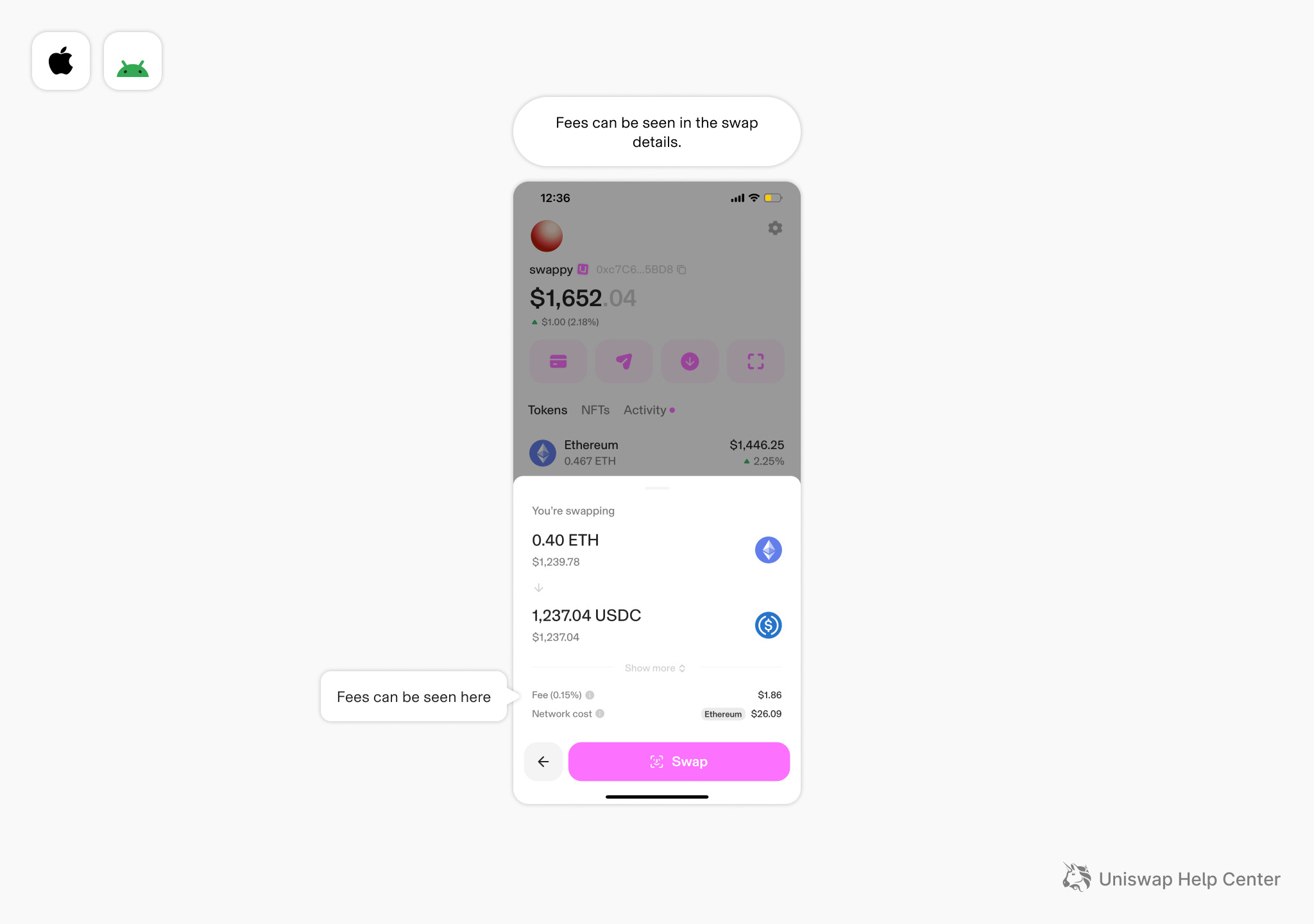
- DEX liquidity providers (Uniswap, Curve) earn trading fees
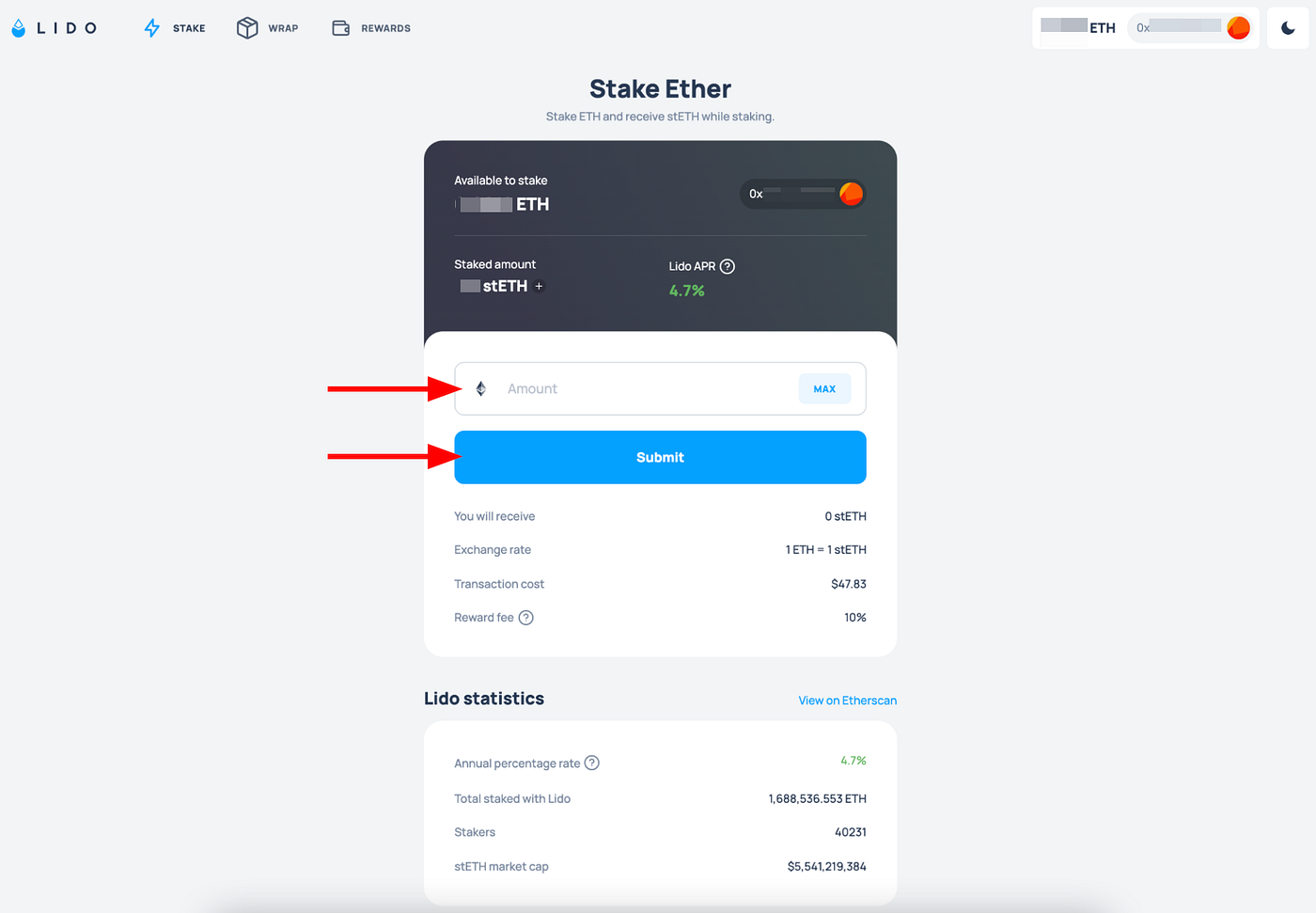
- Liquid staking protocols (Lido, Rocket Pool) earn network staking rewards
DeFi yield is real economic activity — lending, trading, and staking exist because they serve financial utility.
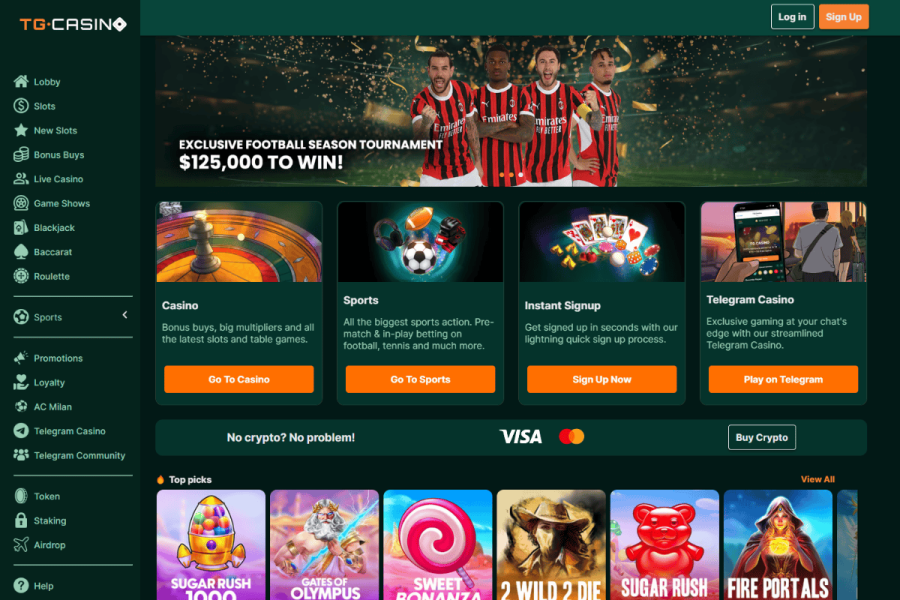
GambleFi yield comes from casino house edge:
- Players lose at the casino in aggregate
- A percentage of is distributed to token holders
- Token holders earn yield funded by other people’s gambling losses
This is not a criticism — house edge is a real and sustainable revenue source. The world’s largest companies (MGM, Flutter, DraftKings) are funded by this model. But the source is different from DeFi, and it creates different seasonality and risk characteristics.
Q4 seasonality: where GambleFi has the structural edge
Q4 is the strongest quarter for gambling revenue across every market segment. The drivers:
Sports calendar: Champions League group stage, NFL regular season (Weeks 5–14), NBA season opens, UFC year-end events, World Chess Championship, and in 2026, ongoing qualification campaigns for major 2027 tournaments. Sports betting generates its highest volume of the year in Q4.
Bull market psychology: Crypto bull markets increase gambling activity. Rising BTC and altcoin prices create wealth effects — players with paper gains feel more comfortable gambling with appreciation. Casino deposits increase with BTC price historically.
Holiday season: Late Q4 (November-December) sees increased gambling activity globally tied to holiday leisure time and end-of-year risk-taking behavior.
DeFi also benefits from Q4 bull markets — TVL increases as crypto prices rise, boosting lending utilisation and DEX volumes. But DeFi does not have a Q4 sports calendar equivalent. The seasonality advantage in Q4 belongs to GambleFi.
Historical Q4 performance comparison
GambleFi as a category did not exist in its current form before 2021, limiting the historical dataset. Available data from 2021–2025 suggests:
- Bull market Q4s (2021, 2023, 2024): GambleFi tokens outperformed DeFi sector average in all three
- Bear market Q4s (2022): Both sectors declined; GambleFi declined more sharply due to smaller market caps and thinner liquidity
The pattern is consistent with a high-beta small-cap category: more upside in bull markets, more downside in bear markets, higher volatility throughout.
DeFi strengths that GambleFi lacks
Liquidity depth. Established DeFi protocols have billions in TVL and deep DEX liquidity. GambleFi tokens are small-cap with limited exchange listings. Large position exits are harder without price impact.
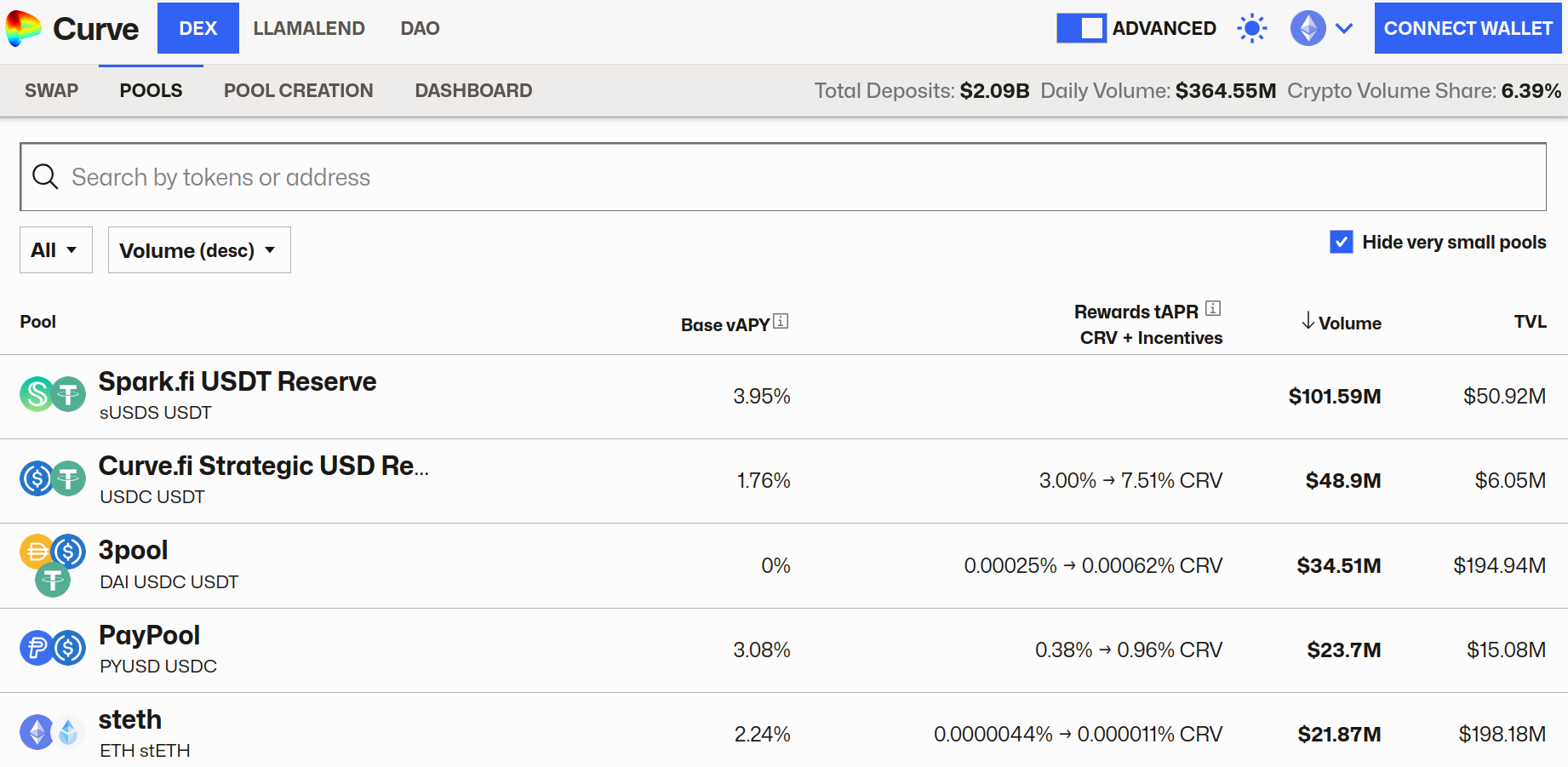
Protocol maturity. Uniswap, Aave, and Curve have years of battle-tested code and governance. Most GambleFi tokens launched in 2023-2024. Code risk, governance risk, and execution risk are all higher for newer projects.
Yield floor. DeFi yields have a floor tied to real borrowing demand — when borrowing demand is high, yields rise; when low, they fall, but they do not go to zero while the protocol operates. GambleFi yields can approach zero if the casino fails to attract players regardless of market conditions.
Regulatory clarity. DeFi protocols face securities classification risk but have more established legal precedent. GambleFi faces both securities law AND gambling law, creating a two-vector regulatory risk.
GambleFi strengths that DeFi lacks
Revenue visibility. Casino GGR is a straightforward metric — total wagered minus total paid out. Compared to protocol revenue that requires understanding of fee tiers, emissions schedules, and liquidity incentives, casino revenue is simpler to model.
Q4 seasonality. The sports betting calendar creates predictable high-revenue periods that DeFi protocols do not have.
Consumer product backing. GambleFi tokens are backed by operational consumer products (casinos) with paying users. Some DeFi protocols generate most revenue from token emissions and circular yield rather than external user activity.
Marketing leverage. Crypto casinos can sponsor athletes and sports teams — generating brand exposure that DeFi protocols cannot replicate through legitimate marketing.
Sector comparison: token examples
| Category | Token | Q3 2026 performance | Q4 catalyst | Risk level |
|---|---|---|---|---|
| GambleFi | RLB (Rollbit) | +45% | Bull run + peak gambling season | Very High |
| GambleFi | RBLK (Rollblock) | +80% (from presale base) | Bull run + casino volume growth | Very High |
| GambleFi | TGC (TG.Casino) | +35% | Telegram gambling expansion | Very High |
| DeFi – Lending | AAVE | +28% | Bull market TVL inflows | High |
| DeFi – DEX | UNI | +22% | Trading volume + fee switch | High |
| DeFi – LSD | LDO | +30% | Staking yield sustained | High |
Note: Performance figures are illustrative estimates based on available market data through September 2026. Not investment advice.
The verdict: Q4 2026
For maximum Q4 exposure to the combined bull-market-plus-peak-gambling-season effect: GambleFi tokens offer higher upside potential. The combination of sports calendar seasonality and bull market sentiment is a unique Q4 convergence that DeFi does not replicate.
For risk-adjusted returns with deeper liquidity and longer track records: Established DeFi protocols are more defensible positions. The sector benefits from the same bull market but without the small-cap liquidity risk and dual regulatory exposure.
The practical allocation framework:
- Core position: Established DeFi (AAVE, UNI, LDO) for liquidity depth and track record
- Satellite position: GambleFi (RLB, RBLK) for high-beta Q4 upside, sized conservatively
- Speculative allocation only: Early-stage GambleFi (TGC, WINR) where loss of full allocation is acceptable
Neither category is low risk. Both benefit from Q4 2026 bull conditions. The choice is between well-established risk with moderate upside (DeFi) and early-stage risk with high upside (GambleFi).
FAQ
What is GambleFi?
GambleFi is the convergence of crypto gambling and decentralised finance. GambleFi tokens are issued by crypto casinos that distribute gambling revenue (house edge) to token holders. Examples: RLB (Rollbit), RBLK (Rollblock), TGC (TG.Casino).
Is GambleFi yield real?
Yes. GambleFi yield is funded by casino house edge — real gambling losses from real players. The sustainability depends on continued casino player activity.
Which performs better in a bull market — GambleFi or DeFi?
Based on available data from 2021–2025, GambleFi tokens have outperformed DeFi sector averages during bull market Q4s. GambleFi is higher-beta — more upside in bull markets, more downside in bear markets.
What are the risks of GambleFi tokens vs DeFi?
GambleFi faces gambling regulation risk plus securities classification risk (two regulatory vectors vs one for DeFi), plus smaller-cap liquidity risk and shorter operating track records. DeFi faces mainly securities classification risk and smart contract risk.
Can I hold both GambleFi and DeFi tokens?
Yes. A satellite GambleFi position alongside a core DeFi position is a common allocation structure for risk-aware investors who want exposure to both categories.
Disclaimer: This article is for informational purposes only and does not constitute financial or investment advice. Cryptocurrency and digital asset markets carry significant risk. Always do your own research before making decisions.