
Bitcoin’s network activity is flashing a warning sign. The number of unique active addresses on the Bitcoin blockchain has fallen by more than 30%, dropping to levels not seen in over a year and raising questions about the strength of participation behind the current price action.
Bitcoin’s Active Address Count Has Dropped More Than 30%
Active addresses, defined as unique wallet addresses that either send or receive BTC in a given period, serve as one of the most direct measures of real network usage. A sharp decline in this metric indicates fewer participants are transacting on-chain, regardless of what the spot price is doing.
According to on-chain tracking data, Bitcoin’s daily active address count has declined by roughly 31% from its recent highs. The drop has brought the metric to its lowest reading in more than a year, a level that historically corresponds to periods of reduced speculative interest and lower retail engagement.
The decline is measured on a daily moving average basis rather than a single-day snapshot, which makes the trend harder to dismiss as noise. Multiple on-chain data providers have flagged the same directional move, with active addresses reaching a 14-month low in recent weeks.
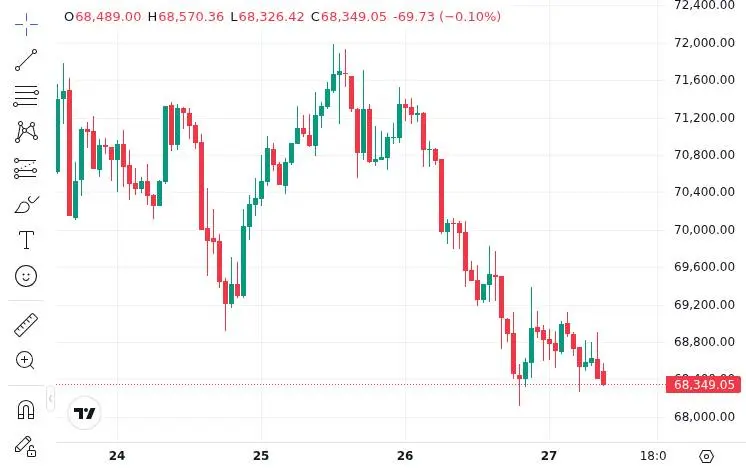
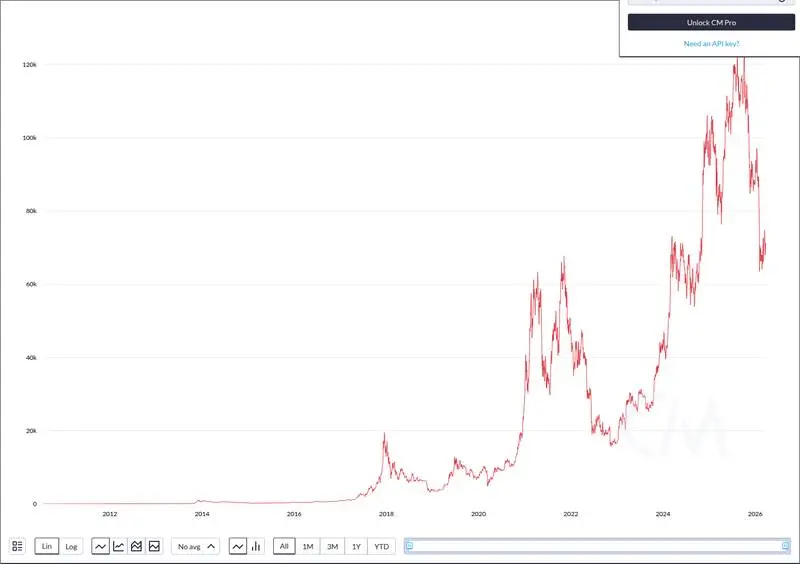
What makes the current reading notable is the divergence from price. Bitcoin has held relatively steady in recent months, yet the number of wallets actively using the network has contracted significantly. That gap between price stability and shrinking on-chain engagement is what analysts are pointing to as evidence of structural cooling rather than a temporary pause.
Why Falling Active Addresses Signal Structural Cooling, Not Just a Lull
Periods of declining active addresses have occurred before in Bitcoin’s history, and their significance depends on context. During the 2022 bear market, active addresses fell alongside price, reflecting broad capitulation. In contrast, the current drop is happening while price remains elevated, a pattern more consistent with fading retail interest and reduced speculative turnover.
One corroborating signal: spot Bitcoin ETF flows have also turned negative. ETF products have seen billions in outflows during the same period that on-chain activity has weakened. When both on-chain participation and institutional product demand soften simultaneously, it suggests the cooling is not limited to one segment of the market.
The word “structural” matters here. A routine weekend dip in addresses or a holiday slowdown recovers within days. A 30%+ decline sustained over weeks, accompanied by falling new address creation rates, points to a broader contraction in network demand.
Some analysts have reframed the decline more optimistically, suggesting that falling active addresses during price stability could indicate an accumulation phase. In this reading, weak hands are exiting while long-term holders absorb supply quietly, setting up a tighter supply dynamic for the next demand impulse.
Both interpretations acknowledge the same underlying data. The disagreement is about what comes next, not about whether network participation has meaningfully declined.
What On-Chain Participants and Analysts Are Watching Next
For the cooling thesis to be invalidated, active address counts would need to recover above the levels seen at the start of 2026. Historically, sustained recoveries in this metric have preceded or accompanied renewed price momentum, while continued declines at these levels have preceded extended consolidation or drawdowns.
The one-year low in active addresses is a specific threshold to monitor. If daily active addresses stabilize and begin climbing back from current levels, it would suggest new demand is entering the network. If the metric continues to drift lower, it would reinforce the structural cooling narrative.
Several catalysts could shift participation in either direction. The ongoing effects of the 2024 halving continue to tighten new supply issuance, which can amplify price moves when demand returns. ETF flow reversals, should they materialize, would likely show up in on-chain data as increased address activity within days.
Exchange reserve trends provide an additional data point worth tracking alongside active addresses. Declining exchange reserves paired with low active addresses would strengthen the accumulation thesis. Rising reserves paired with low activity would suggest holders are positioning to sell into any recovery.
The current active address levels sit closer to cycle-low norms than mid-cycle norms, based on historical comparisons. That positioning does not guarantee a bottom, but it does narrow the range of likely outcomes. Either participation recovers from these depressed levels as it has in prior cycles, or the metric is resetting to a new baseline that reflects a structurally different Bitcoin market shaped by ETFs and institutional custody.
The next meaningful data point arrives with the monthly close. Whether active addresses hold at current levels or break lower through the end of March will help determine if Bitcoin’s internal cooling is a temporary repricing of participation or the early stage of a deeper demand contraction.
Disclaimer: This article is for informational purposes only and does not constitute financial or investment advice. Cryptocurrency and digital asset markets carry significant risk. Always do your own research before making decisions.
Tracks corporations, public companies, and funds using Bitcoin as a treasury reserve or strategic balance-sheet asset.
Tracks AI-agent tokens, compute and data infrastructure, and where crypto markets are pricing AI-linked narratives.


