
Nearly 850,000 BTC have reportedly been accumulated in the $60,000 to $70,000 price range this year, a concentration that now accounts for more than 9% of Bitcoin's total supply according to secondary reports citing on-chain URPD data.
Bitcoin traded at $72,907 at press time, up roughly 1.5% over 24 hours, while the Fear and Greed Index sat at 15, deep in Extreme Fear territory.
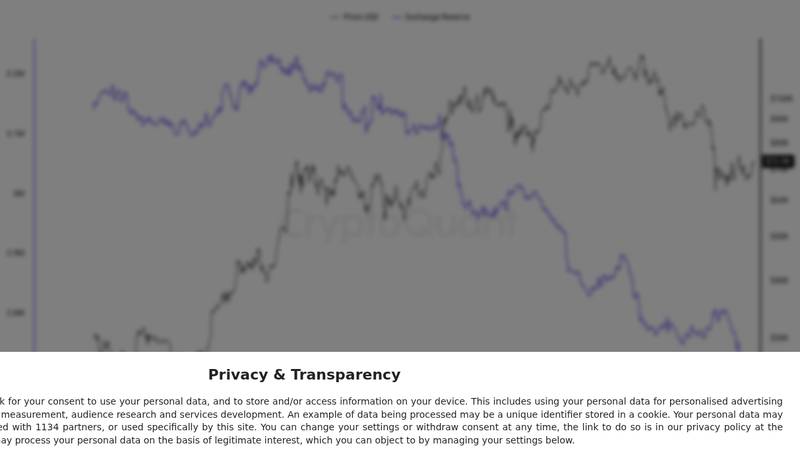
What Bitcoin's URPD Data Reveals About the $60K-$70K Range
URPD, or Unspent Transaction Output Realized Price Distribution, groups Bitcoin holdings by the price level at which coins last moved on-chain. When a large volume of BTC clusters in a narrow band, that range becomes a reference point for market behavior.
According to a report from Briefs, nearly 850,000 BTC were bought between $60,000 and $70,000 since the start of the year. A separate report from Ainvest placed the total cost-basis concentration in that band at roughly 1.85 million BTC, or over 9% of supply. These figures have not been independently confirmed through a publicly accessible primary source, and should be treated as unverified.
What is confirmed: Glassnode's Week 13 report stated that Bitcoin remains rangebound between $60,000 and $70,000, with URPD showing a dense overhead supply cluster from $80,000 to $126,000. That overhead cluster represents coins bought at higher prices that are now underwater.
Glassnode also noted that total supply in loss is near 8.4 million BTC, a figure that underscores how much of the network's coins are sitting below their cost basis.
Why the $60K-$70K Band Could Become Bitcoin's Key Support Zone
When a large share of supply is concentrated at a single cost-basis level, holders in that range tend to react strongly if price revisits the zone. Buyers near their break-even point are less likely to sell at a loss, which can create natural demand during pullbacks.
Bitcoin's current price of $72,907 sits just above the upper end of this reported accumulation band. If the price holds above $70,000, recent buyers remain in profit and have less incentive to liquidate.
A break below $60,000, however, would put the entire reported cluster underwater. Combined with the 8.4 million BTC already in loss, that scenario could amplify selling pressure rather than provide support.
Spot Buyers Showing Early Signs of Absorption
One signal from Glassnode's report offers a counterpoint to the bearish sentiment readings. The report noted that Coinbase Spot CVD (Cumulative Volume Delta) has turned marginally positive, suggesting that spot buyers on the largest U.S. exchange are beginning to absorb sell-side pressure.
That shift is modest, not a reversal signal, but it indicates institutional or large-scale spot demand is starting to show up even as broader sentiment remains in Extreme Fear.
Bitcoin's circulating supply currently stands at 20,014,281 BTC, with 24-hour trading volume near $34.2 billion. The market cap sits at approximately $1.46 trillion.
What This Supply Concentration Means for Bitcoin's Next Move
If the reported 9%-of-supply concentration in the $60,000 to $70,000 band holds true, the range becomes one of the most significant cost-basis clusters in Bitcoin's current cycle. Holding above it reinforces bullish positioning among recent accumulators.
The challenge lies above. Glassnode's confirmed data shows a dense overhead supply cluster from $80,000 to $126,000, meaning any rally faces potential resistance from holders looking to exit at break-even. That creates a market structure with reported support below and verified resistance above.
Traders watching this range should note that the headline accumulation figures remain unverified through direct primary sources. The broader URPD structure and loss metrics from Glassnode are confirmed, but the exact 850,000 BTC figure originates from secondary reporting.
Disclaimer: This article is for informational purposes only and does not constitute financial or investment advice. Cryptocurrency and digital asset markets carry significant risk. Always do your own research before making decisions.