
Flare is trying to turn network activity into direct value capture for FLR by moving a slice of MEV away from validators and into protocol revenue. The proposal matters because it ties block-building changes, fee routing, and lower token issuance into one attempt to make the chain's economic model less dependent on inflation alone.
What Flare's new MEV-to-revenue mechanism actually changes
In its April 2026 plan, Flare said the goal is to create stronger economic transmission between activity on the network and FLR by routing more revenue through FIRE for supply reduction and ecosystem growth. That makes this a value-accrual redesign, not a minor validator tweak.
The FIP.16 proposal says Stage 1 moves block building to a FIRE-designated builder, while validator nodes fetch, validate, and gossip those blocks; if that builder is unavailable, validators revert to the old model. In plain terms, MEV is the value created when whoever orders transactions captures arbitrage, liquidation, or sequencing advantages before the rest of the market.
The designated builder must divert proceeds from network-positive MEV into the FIRE Incentive Pool, and the proposal limits that basket to lending liquidations, atomic and cross-chain arbitrage, just-in-time liquidity provisioning, and post-trade DEX arbitrage. That before-and-after shift is the core mechanic: value that would normally sit with validators or a builder is redirected into protocol-owned revenue.
The same governance text says FIRE would also collect FDC request fees, FAssets and Flare Smart Accounts protocol fees, FCC fees, and other network-wide value captured through the new MEV flow. Flare is effectively building a protocol treasury rail that scales with usage rather than depending only on emissions.
Why redirecting validator-captured MEV matters for FLR's network economics
FIP.16 would cut annual FLR inflation from 5% to 3% and lower the yearly issuance cap from 5 billion FLR to 3 billion FLR. Pairing a smaller emissions budget with a broader revenue funnel is the economic bet at the center of the proposal.
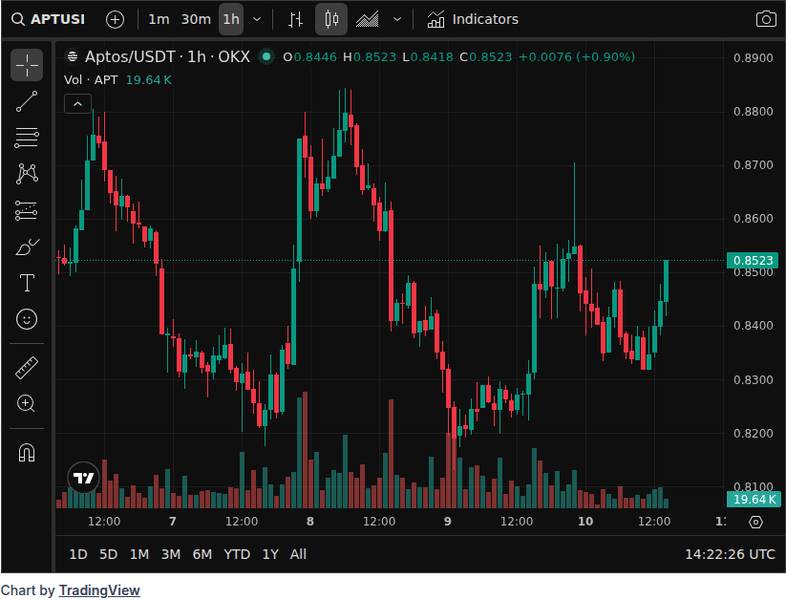
At the research snapshot, FLR traded at $0.00755273, up 2.295% over 24-hour trading, with a market cap of $646.5 million and 24-hour volume of $5.50 million. That sub-cent pricing against a mid-nine-figure valuation helps explain why Flare is pushing to convert more network activity into visible protocol income.
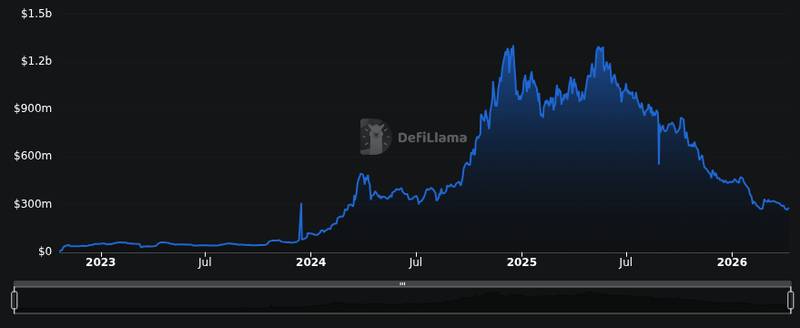
Flare's current TVL is about $386.36 million, which gives the proposal a real activity base to monetize if FIRE starts capturing value that previously bypassed the protocol. The revenue thesis only works if there is enough onchain activity to harvest in the first place.
Messari wrote on October 16, 2025 that the initial 5 million FXRP mint cap filled in under 4 hours and that Flare TVL rose 25.2% after USDT0 and FAssets launched. Those adoption figures matter because the proposal is trying to monetize the same FXRP and FAssets activity loop more directly instead of leaving adjacent value with validators.
The tradeoff is decentralization. Moving block building to a single designated builder centralizes a role that many proof-of-stake systems distribute, which is why the validator fallback matters as much as the revenue upside, much like the infrastructure concentration questions that surface when Ethereum's staking ratio hits record levels.
What validators, builders and FLR holders should watch next
The governance clock is short: the notice period runs from April 9, 2026 to April 16, 2026, and voting is scheduled for April 17, 2026 through April 24, 2026. Validators are being asked to support a model that reduces their direct MEV upside in favor of protocol-owned revenue, so adoption and resistance are both part of the story.
If the proposal passes, the first signals to watch are validator participation, whether the designated builder remains reliably available, and how Flare reports FIRE inflows from MEV, FDC, FAssets, Smart Accounts, and FCC. Those categories are named in the proposal itself, which makes them the cleanest scorecard for whether the redesign is producing diversified revenue rather than a single recycled fee stream.
The broader pattern is that crypto projects are under pressure to prove that activity can translate into durable economics. That is the same strategic question behind coverage of Ethereum's latest activity surge and even the incentive engineering behind Bitunix's affiliate push toward creators, but Flare is applying the idea at the protocol layer rather than the marketing layer.
If governance approves the plan, the real test will be whether FIRE turns measurable network usage into measurable protocol income without creating more centralization risk than the new revenue stream is worth. That is a more important signal for FLR than any short-term headline move because it will show whether Flare can make token value track network activity more closely.
Disclaimer: This article is for informational purposes only and does not constitute financial or investment advice. Cryptocurrency and digital asset markets carry significant risk. Always do your own research before making decisions.