
The Resolv stablecoin exploit that struck around March 22 sent USR crashing by roughly 80%, contributing to a Q1 2026 in which DeFi losses climbed to $137 million. Sentora's latest weekly DeFi metrics flagged the incident as a key driver of broader market stress this week.
How the Resolv Exploit Collapsed USR
On or around March 22, 2026, an attacker exploited a smart contract vulnerability in the Resolv protocol, minting millions of USR tokens without authorization. The flood of illegitimately created tokens destroyed the stablecoin's peg almost instantly.
USR lost approximately 80% of its value in the aftermath. For a stablecoin designed to hold a 1:1 peg, a depeg of that magnitude is catastrophic, effectively wiping out holders who could not exit in time.
Chainalysis published a post-mortem analysis examining the exploit's mechanics and the lessons it offers for DeFi protocol security. The firm's breakdown traced the vulnerability to the minting function in Resolv's smart contracts, which lacked sufficient access controls to prevent unauthorized token creation.
Sentora Flags the Ripple Effect in Weekly DeFi Data
Sentora's weekly DeFi metrics report, published this week, highlighted the Resolv exploit as a significant market event. The report noted that the exploit's effects extended beyond the Resolv protocol itself, contributing to shifts in stablecoin confidence and DeFi liquidity flows.
The full scope of the ripple effect across protocols and chains remains under assessment. Stablecoin depegs of this severity historically trigger defensive withdrawals from related lending and liquidity pools, as participants reassess counterparty risk across DeFi platforms.
Q1 2026 DeFi Losses Reach $137 Million
The Resolv hack was not an isolated incident. Total DeFi losses in Q1 2026 reached $137 million, with the Resolv exploit accounting for a significant share of that figure.
Multiple protocols faced security incidents during the quarter. Reporting from Cryptonomist examined the broader stablecoin risks exposed by the Resolv hack, noting that algorithmic and collateralized stablecoins alike face persistent smart contract risk regardless of their peg mechanism.
The $137 million Q1 total underscores that exploit activity remains a structural challenge for DeFi. For protocol teams, the Resolv incident reinforces the importance of rigorous access control audits on minting and governance functions, the exact attack vector that enabled the USR collapse.
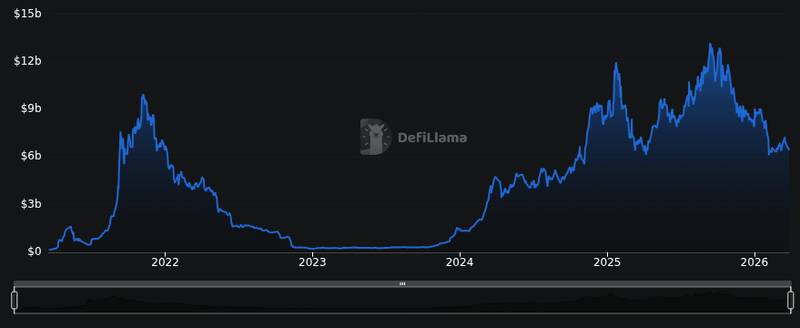
With Q1 now closing, the DeFi security landscape heads into Q2 under heightened scrutiny. Protocol audits scheduled before mainnet launches and governance proposals aimed at tightening minting controls will be the concrete indicators of whether the industry is absorbing the lessons from Resolv.
Disclaimer: This article is for informational purposes only and does not constitute financial or investment advice. Cryptocurrency and digital asset markets carry significant risk. Always do your own research before making decisions.