


The $131 million figure represents the combined net inflows across all U.S.-listed spot Bitcoin ETFs for a single trading day. Net inflows measure the difference between new capital entering ETF shares and redemptions leaving them, offering a daily snapshot of institutional and retail appetite for Bitcoin through traditional brokerage accounts.
What net inflows actually measure in spot Bitcoin ETFs
A positive net inflow day means more dollars flowed into spot Bitcoin ETF shares than flowed out. Each dollar of net inflow typically corresponds to the fund purchasing Bitcoin on the open market to back new shares, creating direct buy pressure on the underlying asset.
The May 14 print of $131 million sits within a range that ETF trackers like Farside Investors and SoSoValue monitor daily. These platforms aggregate flow data across all approved issuers, providing the clearest public record of how much capital enters or exits the spot Bitcoin ETF complex each session.
BlackRock’s IBIT led the May 14 session
BlackRock’s iShares Bitcoin Trust (IBIT) was the top contributor to the day’s inflows. IBIT has consistently ranked as the largest spot Bitcoin ETF by assets under management since the products launched in January 2024, and its leadership on any given flow day reinforces the fund’s dominance in institutional Bitcoin allocation.
Why does it matter which fund leads? A session driven by IBIT suggests that large allocators, not just retail traders, are directing capital into Bitcoin. BlackRock’s distribution network reaches pension funds, endowments, and registered investment advisors, meaning IBIT inflows often reflect decisions made through traditional portfolio construction processes.
IBIT’s role in the broader ETF narrative
Since spot Bitcoin ETFs began trading, IBIT has frequently accounted for the largest share of daily net inflows. Its scale creates a feedback loop: the more assets IBIT holds, the tighter its bid-ask spreads become, which attracts further institutional volume. Recent developments in crypto market structure legislation could further expand the pool of institutional participants eligible to allocate through products like IBIT.
What a single positive flow day signals for Bitcoin
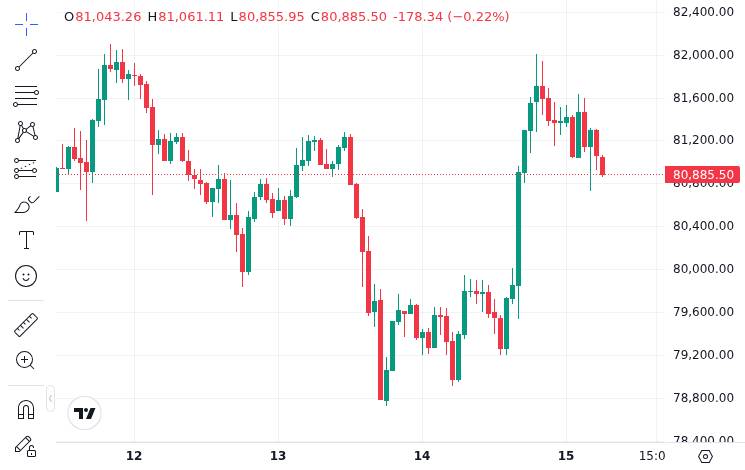
One day of $131 million in net inflows suggests active demand but does not, on its own, confirm a lasting trend. ETF flows can reverse sharply from session to session, and a single positive day often reflects short-term positioning rather than a strategic shift in institutional allocation.
That said, consistent positive flow days do compound. When multiple sessions in a row show net inflows, the cumulative buying pressure can support Bitcoin’s spot price. Companies like West Main Self Storage, which recently raised $1.6 million for a Bitcoin-backed treasury, illustrate how corporate treasuries are joining ETF buyers in building Bitcoin exposure through regulated channels.
What to watch in upcoming flow reports
Readers tracking institutional Bitcoin demand should monitor whether IBIT continues to lead daily inflows and whether the broader ETF complex sustains positive net flows across consecutive sessions. A string of positive days would carry more weight than any single $131 million print.
The direction of ETF flows in the coming sessions will also interact with broader market conditions. As recent Binance Research data on illicit transaction volumes suggests, the regulatory environment around crypto continues to evolve, and institutional comfort with Bitcoin products like IBIT depends partly on that trajectory.
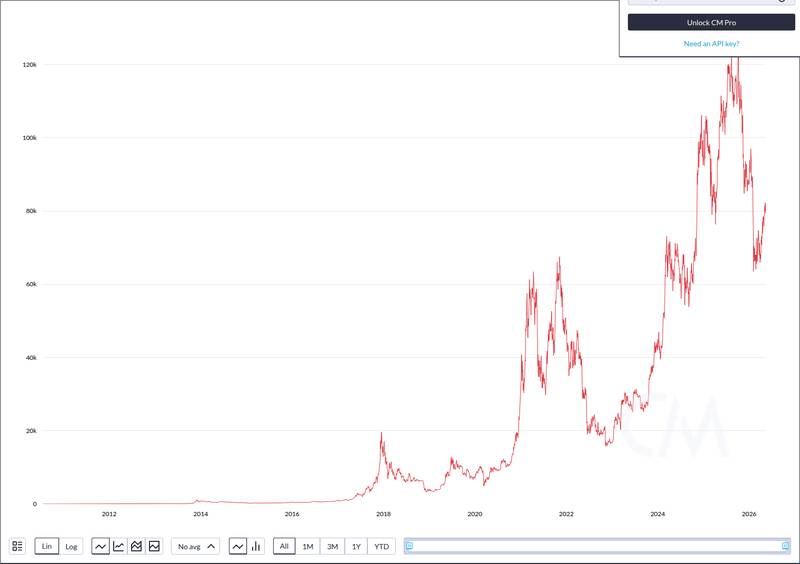
Daily ETF flow data is published after market close by trackers including Farside Investors and SoSoValue, typically with a one-day lag for final settlement figures.
Disclaimer: This article is for informational purposes only and does not constitute financial or investment advice. Cryptocurrency and digital asset markets carry significant risk. Always do your own research before making decisions.