
Bitcoin Exchange Outflows Signal a Shrinking Liquid Supply
The 30-day net outflow of 48,200 BTC reflects a sustained pattern of holders moving coins off exchanges and into private custody. When BTC leaves trading venues at this pace, it reduces the pool of immediately sellable supply available to the market.
Within that 30-day window, a single session saw roughly 32,000 BTC withdrawn, accounting for the majority of the monthly total. A spike of that size in one day suggests coordinated institutional or whale-level movement rather than routine retail withdrawals.
Exchange reserve data tracked by CryptoQuant’s exchange flow dashboard provides the on-chain framework for monitoring these shifts. Declining reserves have historically coincided with periods of reduced sell-side pressure.
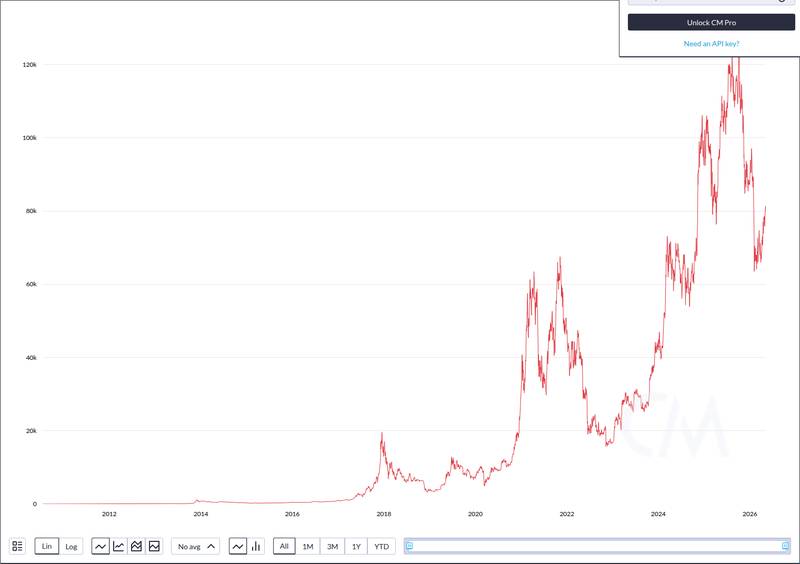
The distinction between the 30-day trend and the one-day spike matters. A steady drip of outflows suggests broad accumulation behavior across many participants. A 32,000 BTC single-day move points to a smaller number of large actors making deliberate custody decisions.
ETF Demand Is Absorbing BTC Faster Than Venues Are Refilled
The headline data positions spot Bitcoin ETFs as absorbing a significant share of available supply. When ETF issuers purchase BTC to back new inflows, those coins typically move to regulated custodians and leave the freely tradable float.
This creates a compounding effect alongside exchange outflows. Coins are leaving venues through organic withdrawals while ETF-driven demand simultaneously pulls additional BTC out of circulation. The net result is a shrinking pool of liquid, exchange-held supply.
The mechanism is straightforward: if exchange balances decline while a persistent new buyer (ETF demand) continues to absorb coins, the remaining supply on venues becomes thinner. Thinner order books can amplify price moves in either direction when large market orders arrive.
What Traders Should Watch Next
The key question is whether the outflow trend continues or reverses. If exchange reserves stabilize or begin rising, it would suggest holders are returning coins to venues, potentially preparing to sell.
Sustained ETF inflow data is the second signal to monitor. Persistent ETF demand would maintain the dual pressure on tradable supply. A slowdown in ETF buying would remove one leg of the supply-tightening thesis.
Supply tightening does not guarantee upward price movement. It does, however, increase the potential for volatility. With fewer coins available on exchanges, any sudden shift in demand, whether buying or selling, can produce outsized price reactions relative to normal market conditions.
Additional source references: source document 1.
Disclaimer: This article is for informational purposes only and does not constitute financial or investment advice. Cryptocurrency and digital asset markets carry significant risk. Always do your own research before making decisions.