Bitcoin Spot ETFs See $89.68M Net Outflow on April 28: SoSoValue Data
U.S. spot Bitcoin BTC +0.00% ETFs posted a combined net outflow of $89.68 million on April 28, according to SoSoValue data, as BlackRock’s IBIT led redemptions with more than $112 million in single-day selling while only one major fund bucked the trend.
IBIT Led Outflows While ARKB Was the Lone Bright Spot
The daily flow table published by Farside Investors shows BlackRock’s IBIT recorded negative $112.2 million on April 28, making it the largest single-fund contributor to the day’s net outflow.
ARK 21Shares’ ARKB partially offset the selling, pulling in $41.2 million in net inflows on the same session. That positive figure was not enough to counterbalance IBIT’s outsized redemptions, leaving the 11 tracked spot Bitcoin ETFs in negative territory for the day.
The precise total was confirmed by Crypto Briefing citing SoSoValue, aligning closely with the rounded figure visible in Farside’s tracker. Other funds including FBTC and BITB also posted negative flows, while GBTC was essentially flat.
A Cautious Signal, Not a Trend Reversal
A net outflow means more capital left spot Bitcoin ETFs than entered them during a single trading session. It reflects institutional and retail positioning through regulated vehicles, not direct on-chain selling of Bitcoin itself.
A single negative day below $100 million is common in the normal rhythm of ETF rebalancing. The April 28 figure does not by itself confirm a sustained shift in institutional appetite, though it adds to a cautious tone that has persisted in recent sessions.
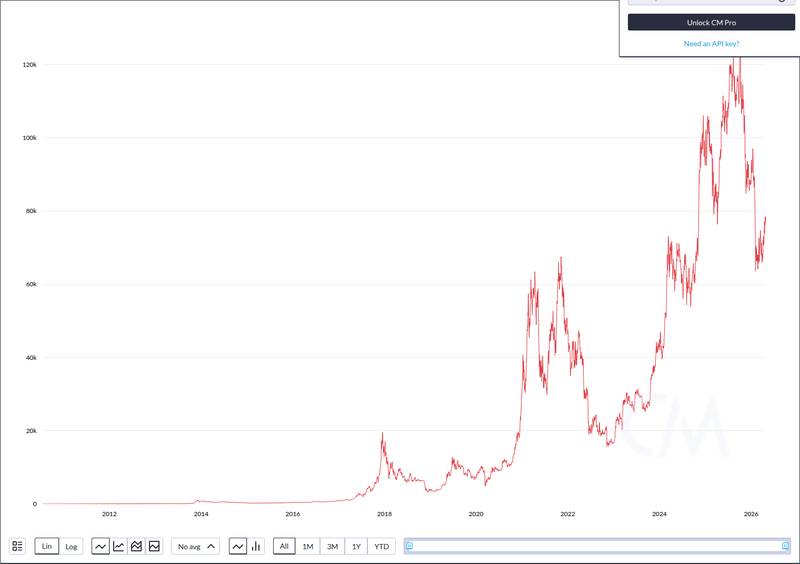
Bitcoin traded near $77,022 at the time of the data snapshot, roughly flat over 24 hours with a gain of just 0.3%. The Fear & Greed Index sat at 26, squarely in “Fear” territory, suggesting broader sentiment remained subdued even as the spot price held steady.
ETF Flows in the Context of a Shifting Regulatory Landscape
Spot Bitcoin ETF flows have become one of the most closely watched daily metrics since the products launched in January 2024. They offer a transparent, real-time gauge of demand for Bitcoin exposure through traditional brokerage accounts, and large single-fund moves like IBIT’s April 28 redemption can reflect portfolio rebalancing by institutional allocators rather than a directional bet against Bitcoin.
The outflow arrives at a moment when governments are tightening their grip on crypto-adjacent infrastructure. Washington has been targeting Iran’s crypto access channels as part of a broader sanctions enforcement push, while Canada is moving to ban crypto ATMs over fraud concerns. Both developments signal that regulated on-ramps, including ETFs, face growing scrutiny from multiple jurisdictions.
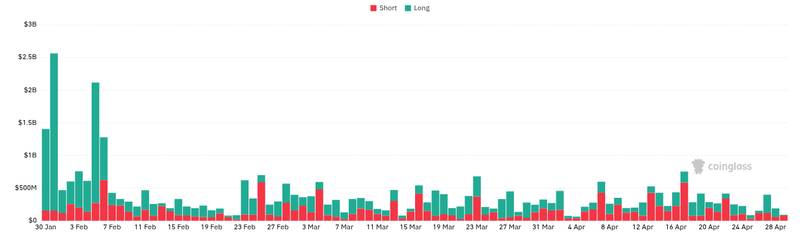
Security incidents across the wider ecosystem have also weighed on risk appetite. The recent Commons Bridge exploit reported by SYND Syndicate is a reminder that infrastructure vulnerabilities can ripple into sentiment even when they do not directly involve Bitcoin ETF products.
For traders watching the next session, the key question is whether ARKB’s inflow was an isolated counterweight or the beginning of diverging fund-level sentiment. A second consecutive day of net outflows would sharpen the cautious narrative; a reversal back to positive territory would reinforce the view that April 28 was routine repositioning in an otherwise intact institutional accumulation cycle.
Disclaimer: This article is for informational purposes only and does not constitute financial or investment advice. Cryptocurrency and digital asset markets carry significant risk. Always do your own research before making decisions.