BTC vs Altcoins Correlation Hits Lowest Level Since July 2025
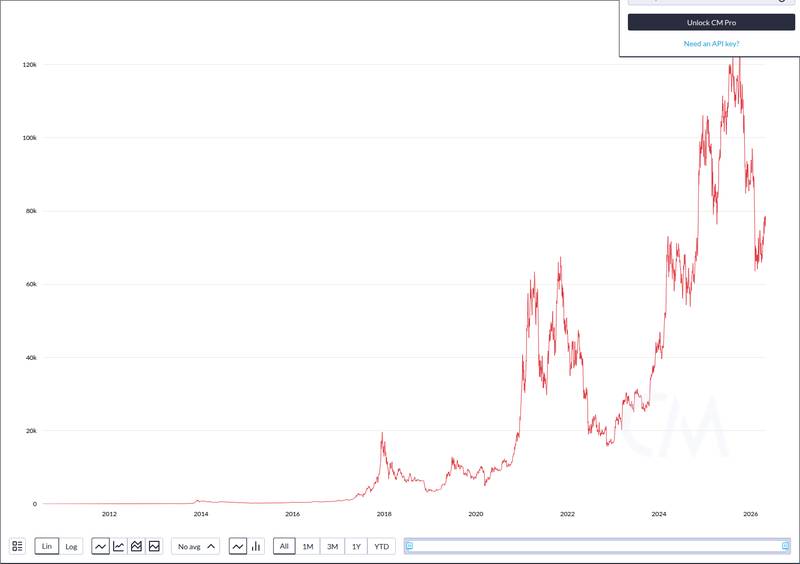
The correlation between Bitcoin BTC +0.00% and altcoins has dropped to its lowest level since July 2025, suggesting the crypto market is no longer trading as a single bloc. The shift marks a structural change in how digital assets are moving relative to each other.
What a Falling BTC-Altcoin Correlation Actually Means
A lower correlation between Bitcoin and altcoins does not mean they are moving in opposite directions. It means they are moving independently, with price action in BTC no longer reliably predicting what happens across the rest of the market.
The current reading represents the widest gap since July 2025, when a similar decoupling briefly emerged before correlation tightened again during a broad risk-off move later that summer. The metric is typically measured using a rolling 30- or 90-day Pearson correlation coefficient across major altcoins against BTC.
An OKX explainer on BTC-altcoin correlation outlines how this metric has historically cycled between periods of tight lockstep trading and stretches where Bitcoin charts its own path. The key distinction: low correlation can signal either BTC strength with altcoin stagnation, or altcoin rotation while BTC consolidates.
Why Bitcoin and Altcoins Are Diverging
The split could be driven by several forces, but separating BTC-specific demand from broader altcoin weakness matters. Bitcoin has benefited from institutional flows and ETF-related demand channels that do not extend to most altcoins.
Large-cap altcoins like Ethereum ETH +0.00% , Solana, and BNB have not tracked Bitcoin’s trajectory uniformly. Some have held relatively steady while others have lagged, which itself contributes to a lower aggregate correlation reading. Treating “alts” as a single group obscures these differences.
Whether the divergence is being driven primarily by spot accumulation of BTC, derivatives positioning, or sector-specific rotation within altcoins remains unclear from available data. CoinDesk’s Chart of the Week has tracked similar correlation breakdowns in past cycles, noting that they often coincide with shifts in capital allocation rather than directional bets.
Signals to Watch If the Decoupling Persists
BTC dominance is the first metric to monitor. A rising dominance reading alongside falling correlation would confirm that capital is concentrating into Bitcoin rather than spreading across the market.
Large-cap altcoin breadth, meaning how many of the top 20 tokens are trading above key moving averages, provides a second signal. If breadth is declining while BTC holds firm, the decoupling has legs.
Derivatives positioning adds a third layer. Diverging funding rates between BTC perpetual futures and altcoin perps would indicate that leveraged traders are making differentiated bets rather than treating crypto as one trade.
When Correlation Snaps Back
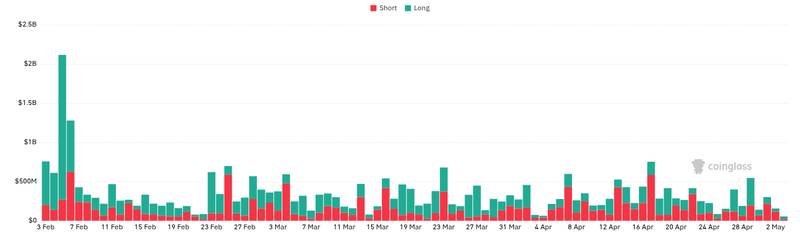
Low correlation periods have historically been temporary. A sharp macro event, a broad liquidation cascade, or a sudden shift in risk appetite tends to pull all crypto assets back into lockstep. The July 2025 decoupling lasted roughly three weeks before a coordinated selloff re-synced the market.
For traders, the practical takeaway is straightforward: position sizing and hedging models built on the assumption that altcoins track BTC may underperform during decoupled regimes. Monitoring dominance, breadth, and funding rates daily offers the clearest early warning of whether this split will hold or collapse.
Disclaimer: This article is for informational purposes only and does not constitute financial or investment advice. Cryptocurrency and digital asset markets carry significant risk. Always do your own research before making decisions.