DOJ Charges Alleged Dream Market Admin Over Crypto-to-Gold Laundering
The U.S. Department of Justice has charged an alleged administrator of the defunct darknet marketplace Dream Market with laundering over $2 million in cryptocurrency proceeds into gold bars, marking one of the most unusual asset-conversion schemes in recent crypto enforcement history.
What The DOJ Alleges In The Dream Market Case
The DOJ announced on May 13, 2026 that a German citizen named Owe Martin Andresen had been indicted in the Northern District of Georgia. Andresen was simultaneously arrested in Germany on parallel charges.
According to the indictment, Dream Market launched in 2013 and hosted close to 100,000 listings at a time before shutting down in 2019. Prosecutors allege the marketplace facilitated the sale of more than 90 kilograms of heroin and 450 kilograms of cocaine during its operation.
The DOJ claims Andresen allegedly accessed dormant Dream Market wallets in November and December 2022. He then allegedly used an Atlanta-based cryptocurrency service provider beginning in August 2023 to convert the crypto into gold bars, which were shipped to Germany.
German and U.S. authorities arrested Andresen during a May 7, 2026 raid on three locations. Prosecutors said he laundered approximately $2 million between August 2023 and April 2025.
Searches conducted during the raid uncovered approximately $1.7 million in gold bars, over $23,000 in cash, and records tied to approximately $1.2 million in additional suspected Dream Market proceeds. The split between physical gold seizures and identified digital accounts illustrates how investigators are now tracing value across both blockchain and traditional asset classes.
According to the indictment, Andresen is believed to be the unidentified Dream Market main administrator known as “Speedstepper,” who allegedly held access to the marketplace’s original private keys. These claims have not been proven in court.
Why Converting Crypto To Gold Bars Stands Out
The alleged laundering method is notable because it moved value from blockchain-based assets, which leave a permanent on-chain trail, into physical gold, a bearer asset that can be stored and transported without a digital footprint. For investigators, this kind of cross-asset conversion complicates tracing efforts that typically rely on blockchain analytics.
The fact that dormant wallets from a marketplace that shut down in 2019 were allegedly reactivated years later highlights a persistent challenge for law enforcement. Old darknet proceeds can sit untouched for years before operators attempt to cash out, similar to patterns seen in recent cross-border crypto crime crackdowns.
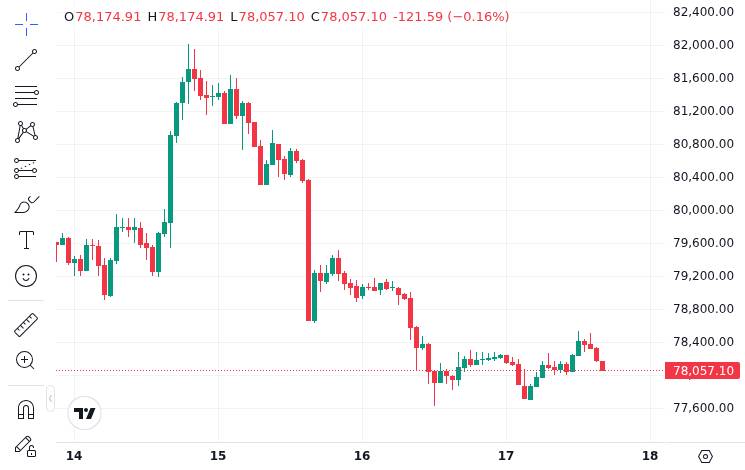
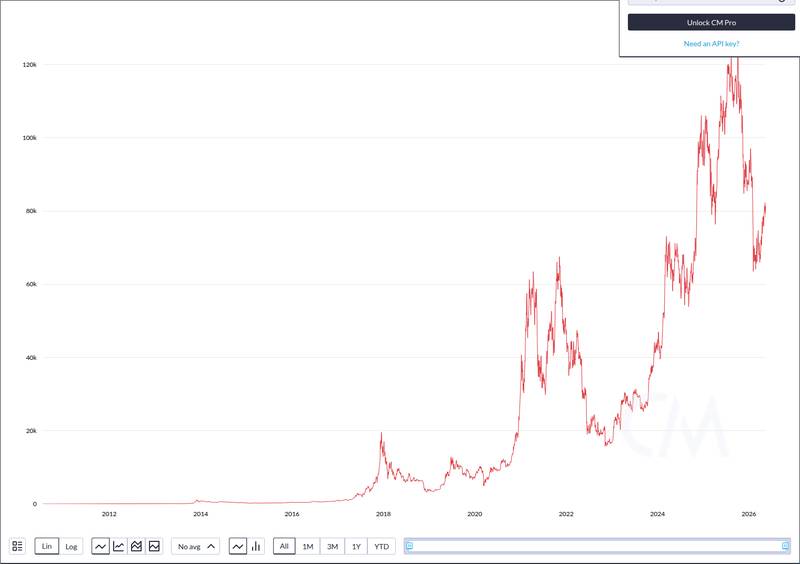
Bitcoin BTC +0.00% traded at $78,136 at press time, with a market cap of approximately $1.57 trillion. The case arrives during a period of broader market caution, with the Fear & Greed Index sitting at 27, firmly in “Fear” territory.
What The Case Signals For Crypto Enforcement
This prosecution demonstrates that U.S. and European authorities are still actively pursuing historical darknet-market proceeds years after the platforms themselves went offline. The coordination between a federal grand jury in Georgia and German law enforcement underscores the cross-border nature of modern crypto investigations.
The broader darknet economy remains active. Chainalysis noted that aggregate darknet-market flows reached nearly $2.6 billion in 2025, indicating that crypto-enabled illicit market activity has remained resilient despite repeated enforcement actions.
For cryptocurrency service providers, the case is a reminder that compliance obligations extend to detecting transactions linked to dormant wallets with illicit origins. The Atlanta-based provider allegedly used in this scheme is likely to face scrutiny over its due diligence procedures, a concern relevant to companies holding significant crypto assets.
The 12-count indictment, returned on January 13, 2026 but only unsealed in May, suggests prosecutors spent months building the case before coordinating the arrest with German authorities. That timeline reflects the methodical pace at which cross-jurisdictional crypto cases now unfold, a pattern increasingly visible across major blockchain ecosystem developments where regulatory attention follows technical milestones.
Andresen faces concealment money-laundering charges in both the United States and Germany. If convicted, the case would mark one of the first successful prosecutions tying a darknet marketplace administrator to a crypto-to-precious-metals laundering pipeline.
Disclaimer: This article is for informational purposes only and does not constitute financial or investment advice. Cryptocurrency and digital asset markets carry significant risk. Always do your own research before making decisions.