


What Happened in the 300 BTC Whale Transfer
The wallet, which had shown no activity for roughly two years, moved 300 BTC in a single transaction to an address identified as belonging to Binance. The transfer was flagged by on-chain tracking tools monitoring dormant wallet reactivations.
Blockchain data confirms the movement originated from a wallet beginning with bc1quz. The two-year inactivity period placed the wallet firmly in the category of “dormant” addresses, which on-chain researchers define as wallets that have not sent or received funds for extended periods.
A separate Arkham Intelligence report recently documented a different whale moving $20 million worth of BTC to Binance, suggesting a broader pattern of large holders repositioning through the exchange. The frequency of such transfers has drawn attention from traders who track Bitcoin accumulation and distribution patterns for directional signals.
ON-CHAIN DATA
- Amount: 300 BTC
- From: Dormant wallet (prefix bc1quz)
- To: Binance
- Wallet dormancy: ~2 years
Why a Binance Deposit From a Dormant Whale Matters
When large amounts of Bitcoin move from long-held wallets to an exchange, market participants typically interpret the transfer as a precursor to selling. Exchange-bound movements are one of the most closely watched on-chain signals because they suggest the holder may be preparing to liquidate.
However, a transfer to Binance does not confirm an immediate sale. Holders may deposit funds for a variety of reasons, including collateral for margin positions, staking, or simply consolidating holdings. Without confirmation that a sell order was placed, the movement remains ambiguous in intent.
Dormant-wallet reactivation draws extra scrutiny because the timing often appears strategic. A holder who sat through two years of price volatility and chose this moment to move funds to an exchange invites speculation about their read on current market conditions. Similar patterns have been observed in cases where large wallets interacted with Binance for repositioning purposes.
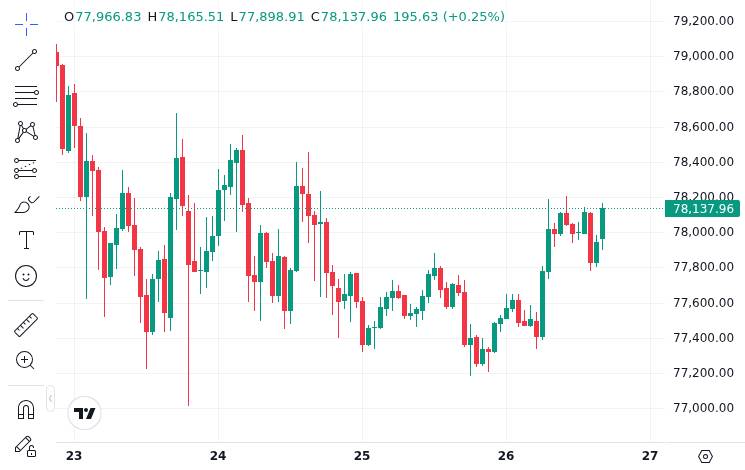
Large BTC transfers can influence trader sentiment even before any confirmed sale occurs. Whale-tracking accounts on social media amplify these movements, and the resulting narrative, whether accurate or not, can shift short-term positioning among retail traders.
What Traders May Watch Next
The immediate question is whether the 300 BTC remains on Binance or is withdrawn to another wallet. If the funds stay on the exchange, sell-pressure narratives will likely persist. A withdrawal back to cold storage would signal the opposite.
Short-term market reaction will likely center on order-flow data from Binance and updates from whale-tracking services. The event is more notable precisely because the wallet had been inactive for two years, distinguishing it from routine large-holder activity.
Traders monitoring exchange inflows may also watch for follow-on movements from other dormant wallets. Clusters of reactivations from long-held addresses have historically preceded periods of elevated volatility, though each case depends on its own context. Previous instances of large cross-asset swaps involving BTC have shown that whale behavior often triggers cascading attention from smaller market participants.
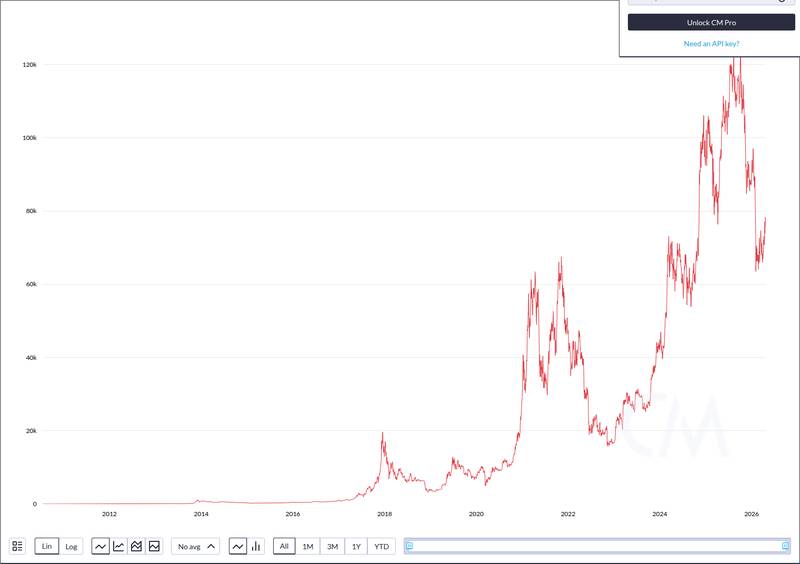
Whether this 300 BTC deposit leads to an actual sale or represents a routine portfolio adjustment, the transfer has already achieved what dormant-wallet movements typically do: force the market to pay attention.
Disclaimer: This article is for informational purposes only and does not constitute financial or investment advice. Cryptocurrency and digital asset markets carry significant risk. Always do your own research before making decisions.