Fidelity Says 3% Bitcoin Allocation Boosts 60/40 Returns to 14.6%
Fidelity Digital Assets has argued that adding just 3% Bitcoin BTC +0.00% to a traditional 60/40 portfolio could raise annualized returns from 9.4% to 14.6%, a claim that reframes the digital asset as a portfolio construction tool rather than a speculative bet.
What Fidelity’s 3% Bitcoin Allocation Claim Actually Says
The claim comes from Fidelity Digital Assets’ research division, which published its analysis in a report titled “Getting Off Zero: Evaluating Bitcoin in 2026.” The core proposition is straightforward: a standard portfolio split 60% equities and 40% bonds returned 9.4% annualized, while the same portfolio with 3% reallocated to Bitcoin returned 14.6%.
The 5.2 percentage point difference is notable given the size of the allocation. At just 3%, Bitcoin would represent a minor position in any diversified portfolio, yet Fidelity’s numbers suggest it carried outsized impact on total returns.
Fidelity did not disclose in the headline claim which time period the backtest covers, what rebalancing frequency was used, or how risk-adjusted metrics like the Sharpe ratio changed. Those details matter significantly when evaluating any historical performance comparison.
Why a Small Bitcoin Allocation Matters for a Traditional 60/40 Portfolio
The 60/40 portfolio is the default benchmark for institutional and retail balanced investing. By framing the Bitcoin case inside this familiar structure, Fidelity is speaking directly to traditional allocators who may have dismissed crypto as too volatile or too speculative for serious portfolio construction.
A 3% allocation is small enough that even a total loss of the Bitcoin position would reduce portfolio value by only 3%. That risk profile is fundamentally different from a high-conviction 20% or 30% Bitcoin allocation, which is why Fidelity’s framing matters.
As Brave New Coin noted in its coverage, Fidelity has argued that the “burden of proof” has shifted, suggesting that investors now need to justify excluding Bitcoin rather than including it. That rhetorical shift positions Bitcoin alongside commodities and real estate as a standard diversifier.
The return jump from 9.4% to 14.6% also reflects Bitcoin’s historically low correlation with equities and bonds over certain periods. When an asset moves independently of the rest of a portfolio, even a small allocation can improve overall returns without proportionally increasing risk. Companies like Strive, which recently grew its holdings to 15,000 BTC, have made similar bets on Bitcoin as a balance-sheet diversifier.
What Investors Should Watch Before Applying Fidelity’s Bitcoin Thesis
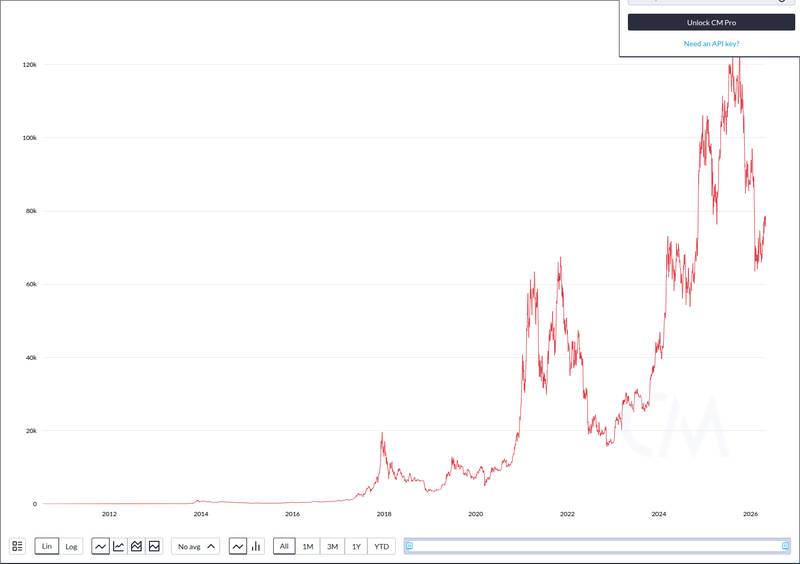
The headline figure is a backward-looking result. Bitcoin’s annualized returns have varied dramatically depending on entry and exit dates. A 3% allocation initiated at Bitcoin’s 2021 peak would have produced a very different outcome than one initiated in early 2019.
Volatility is the primary trade-off. Bitcoin routinely experiences drawdowns of 30% or more within a single quarter. A 3% allocation limits direct portfolio damage, but investors who rebalance infrequently could see that 3% drift higher during bull runs, increasing exposure beyond the intended level.
Fidelity’s claim also does not address tax implications, custody costs, or the regulatory environment around digital assets, all of which affect net returns for institutional portfolios. Meanwhile, broader adoption of blockchain-based financial infrastructure, including developments like Western Union’s Solana-based stablecoin launch and Upbit’s GIWA Chain on OP Stack, continues to reshape how traditional institutions interact with the crypto ecosystem.
This article reflects Fidelity Digital Assets’ stated research position and should not be interpreted as personalized investment advice. The reported return figures are historical and do not guarantee future performance.
Disclaimer: This article is for informational purposes only and does not constitute financial or investment advice. Cryptocurrency and digital asset markets carry significant risk. Always do your own research before making decisions.