
Jordi Visser, the former CIO of Weiss Multi-Strategy Advisors, is pushing back on the narrative that quantum computing poses an imminent threat to Bitcoin. In a February 2026 interview, Visser argued that quantum risk is far down the road and that the crypto community should be paying closer attention to more pressing security challenges, particularly those posed by AI agents.
Visser's Main Point: Quantum Fear Is Not Bitcoin's Immediate Crisis
On February 21, 2026, Anthony Pompliano published an interview titled "Bitcoin Is About to Absorb a Historic Rotation" featuring Visser. The wide-ranging conversation covered Bitcoin's macro positioning, AI, and the quantum computing debate that has gained traction in crypto circles.
A transcript of the interview shows Visser stating he has to "defend quantum which is far down the road," while arguing that "nobody's worried about agent swarms," a reference to the more immediate security risks posed by autonomous AI systems.
"I have to defend quantum which is far down the road and nobody's worried about agent swarms."
— Jordi Visser, via Anthony Pompliano's interview
A truncated version of Visser's remarks circulated on Telegram, according to an unconfirmed tip, with different wording than what the transcript confirms. The verified substance of his argument, however, is consistent: quantum threats to Bitcoin's cryptography are real but not near-term, and the community's attention is misallocated.
Bitcoin's Quantum Debate Is Moving From Narrative to Engineering
Visser's skepticism about quantum panic aligns with concrete protocol work already underway. BIP 360, a draft Bitcoin Improvement Proposal titled "Pay-to-Merkle-Root (P2MR)," is specifically designed to resist long-exposure attacks from cryptographically relevant quantum computers.
Forbes reported on February 23, 2026 that BIP 360's addition to the repository marked Bitcoin's first formal step toward quantum resistance. The proposal remains in draft status, meaning it has not yet been activated on the network, but its existence signals that Bitcoin developers are treating the threat as an engineering problem rather than ignoring it.
The distinction between "draft" and "deployed" matters. BIP 360 proves that the Bitcoin development community is actively building quantum-resistant infrastructure, but its draft status also confirms that no immediate upgrade is needed, supporting Visser's contention that 2026 is not the year quantum breaks anything.
Grayscale's research team reached a similar conclusion in a December 29, 2025 report. The firm wrote that "quantum vulnerability is an important topic, but we ultimately expect it to be a red herring for 2026," while acknowledging that blockchains will eventually need post-quantum cryptographic updates.
Why 2026 Attention May Shift to AI Security and Upgrade Readiness
Visser's broader point is about prioritization. The interview transcript shows him contrasting far-off quantum risk with the more immediate challenge of AI-agent security, a category of threat that is scaling faster than most market participants recognize.
The regulatory backdrop adds nuance without urgency. BIP 360's documentation references CNSA 2.0 migration deadlines and NIST's plans to phase out elliptic curve cryptography for U.S. federal use after 2035. Those timelines suggest a decade-long transition window, not a crisis requiring immediate market repricing.
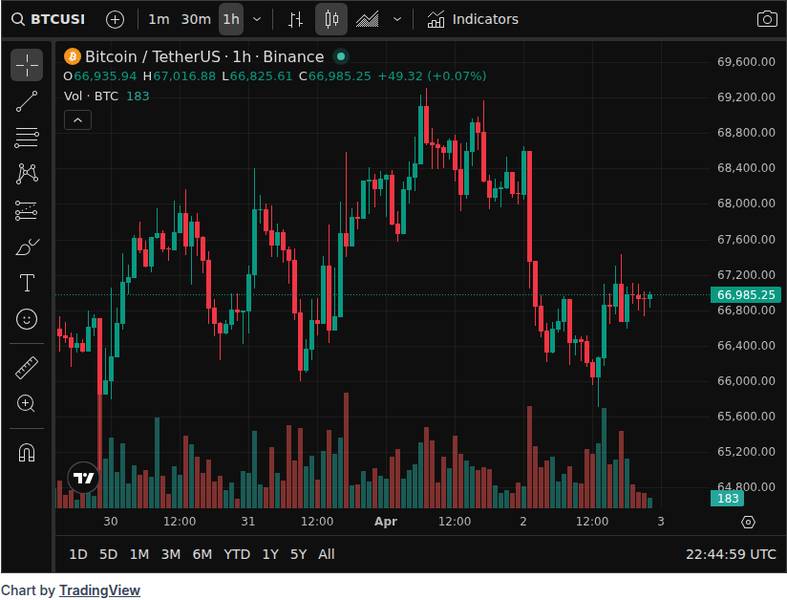
Bitcoin traded at $66,938 at the time of the research snapshot, down 1.85% over 24 hours. The price action showed no distinct sell-off tied to quantum headlines, consistent with the view that this narrative has not translated into measurable market fear.
The convergence of Visser's interview remarks, BIP 360's engineering progress, and Grayscale's market outlook paints a consistent picture: Bitcoin's quantum threat is being addressed at the protocol level, and treating it as a 2026 crisis misreads both the technical timeline and the development community's response.
Disclaimer: This article is for informational purposes only and does not constitute financial or investment advice. Cryptocurrency and digital asset markets carry significant risk. Always do your own research before making decisions.