


The Solana-based infrastructure project announced the Solayer Pay Physical Card on May 14, 2026. The card supports in-store, contactless, online, and ATM transactions in supported regions.
Solayer Pay says users spend directly from USDC with no pre-conversion required. The service is also integrated with Apple Pay and Google Pay through Visa’s global network.
The physical card itself is free for existing users. New users pay a one-time $20 account activation fee, while shipping starts at $14.99 for US Standard delivery, $24.99 for US Express, $19.99 for International Standard, and $59.99 for International Express.
Solayer says the service is live and available to more than 40,000 users. Eligibility requires users to be at least 18 years old and pass KYC verification, while residents of specific U.S. states and many countries are excluded for sanctions, regulatory, or security-compliance reasons.
How the card could expand real-world USDC spending
Visa compatibility is the operative detail. Rather than building a closed-loop payment system, Solayer is plugging into an existing merchant network that spans over 100 million acceptance points globally, giving USDC holders a path to spend stablecoins at the same places they use traditional debit cards.
USDC, with a market cap near $77 billion and daily trading volume above $13.2 billion, is the second-largest stablecoin by market capitalization. The asset has historically been used for trading, treasury management, and cross-border transfers, but direct consumer spending at physical merchants has remained limited.
The no-pre-conversion claim is notable. Many existing crypto card products convert holdings to fiat before a transaction settles, adding friction and potential tax events. Solayer’s framing suggests the USDC balance itself is the spending instrument, with conversion handled at the point of sale through Visa’s infrastructure.
Solayer is not alone in pursuing this model. Solflare, another Solana wallet, already offers a Mastercard debit card framed around spending USDC directly from a self-custodial wallet. The difference is network, as Solayer chose Visa, and custody model, as Solayer Pay operates its own balance system rather than pulling from a user-controlled wallet. As traditional finance firms update their crypto product filings, payment-layer projects like these represent the retail-facing side of the same institutional convergence.
Why the launch matters for Solana ecosystem positioning
Solayer’s card adds a payments use case to the Solana ecosystem at a time when network activity has been dominated by trading and DeFi. Payments infrastructure is a different kind of adoption signal, one that ties blockchain networks to recurring consumer behavior rather than speculative activity.
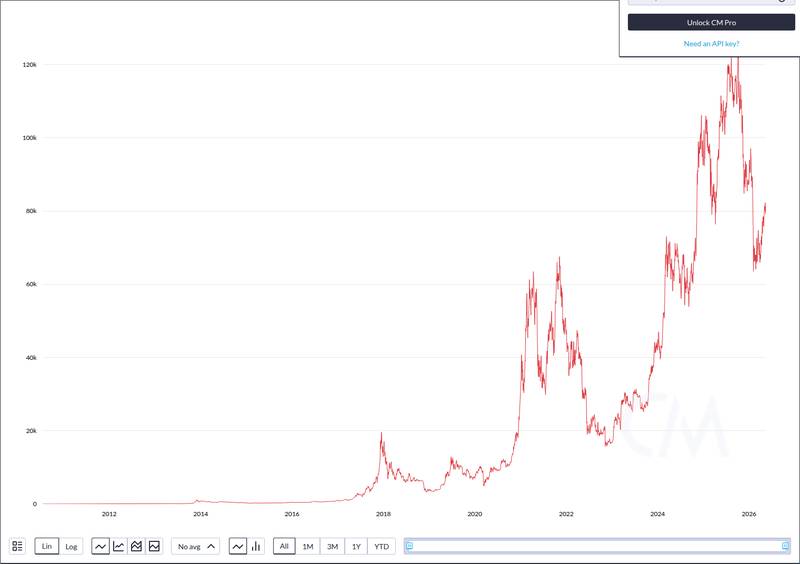
The broader crypto market context is cautious. The Fear & Greed Index sat at 31, classified as Fear, on May 16, 2026. Product launches that expand utility rather than rely on market sentiment tend to carry more weight during risk-off periods, when speculative narratives lose traction.
The geographic restrictions are worth noting. KYC gating and jurisdiction exclusions mean this is not a globally open product. That aligns with a pattern seen across crypto payment projects, where regulatory compliance limits initial rollout scope. As institutional players increase their crypto allocations, the regulatory framework around consumer-facing products like payment cards remains fragmented across jurisdictions.
For Solana specifically, the launch adds to a growing list of real-world integrations. Whether or not 40,000 users represents meaningful scale, it establishes Solayer Pay as a live payments product rather than a testnet concept. The question is whether Visa-compatible stablecoin cards can move beyond early adopters, a challenge that recent regulatory clarity efforts may help address over time.
Disclaimer: This article is for informational purposes only and does not constitute financial or investment advice. Cryptocurrency and digital asset markets carry significant risk. Always do your own research before making decisions.