


The announcement, shared via the company’s official X account, positions Steak ‘n Shake as one of the few consumer-facing brands actively accumulating Bitcoin through its own revenue stream.
The move comes after the chain reportedly expanded its Bitcoin treasury. Bitcoin.com reported that Steak ‘n Shake increased its Bitcoin exposure to $15 million as part of an expanding strategic reserve.
How Routing BTC Sales Into a Reserve Differs From Standard Merchant Practice
Most merchants that accept Bitcoin use payment processors that immediately convert incoming BTC into U.S. dollars. This shields the business from price volatility but means the company never actually holds any Bitcoin.
Steak ‘n Shake’s approach reverses that default. By directing Bitcoin sales revenue into a reserve, the company is choosing to retain BTC as a treasury asset rather than treating it as a transient payment rail.
This distinction matters because it transforms Bitcoin acceptance from a convenience feature into a balance-sheet strategy. The company is effectively making a long-term bet that the Bitcoin it accumulates through sales will appreciate in value.
How Bitcoin payment flows typically work for merchants
In a standard setup, a customer pays in Bitcoin, a payment processor handles the conversion, and the merchant receives dollars in their bank account within one to two business days. The merchant bears no crypto exposure.
Under Steak ‘n Shake’s stated policy, the BTC stays as BTC. The company absorbs the volatility risk but also captures any upside if Bitcoin’s price rises over time.
Why a Bitcoin Reserve Strategy Matters for a Consumer Brand
Accepting Bitcoin payments is now relatively common among large retailers and restaurant chains. What is far less common is a company choosing to hold the Bitcoin it receives rather than liquidating it.
Separately, The Block reported that Steak ‘n Shake added $10 million to its BTC treasury eight months after rolling out Lightning Network support, suggesting the reserve strategy has been building over time.
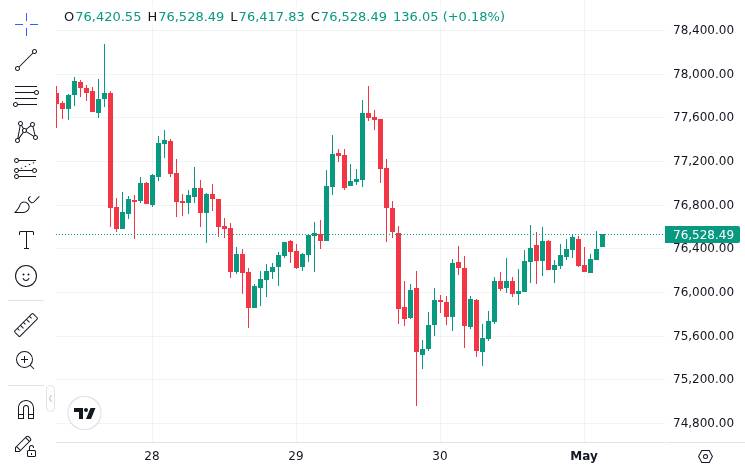
This kind of reserve accumulation carries real risk. Bitcoin’s price can swing 10% or more in a single week, meaning the value of the company’s reserve could fluctuate significantly between quarterly reports.
Potential benefits versus risks
On the upside, holding Bitcoin gives the brand a distinct identity that resonates with crypto-native consumers. It also creates a treasury position that could appreciate substantially if Bitcoin continues its long-term upward trend.
On the downside, a sharp price correction could force the company to mark down the value of its reserve, creating accounting headaches and potential investor concern. The strategy requires conviction that Bitcoin’s long-term trajectory justifies short-term volatility.
What This Signals for Bitcoin Adoption Beyond Payment Acceptance
The broader significance of Steak ‘n Shake’s move is that it blurs the line between merchant adoption and corporate treasury strategy. The concept mirrors how figures like XXI CEO Jack Mallers are building entire conglomerates around the idea that Bitcoin belongs on corporate balance sheets.
This approach differs meaningfully from one-off crypto payment pilots that companies have launched and quietly shelved over the years. A reserve commitment implies ongoing accumulation, which creates a recurring source of Bitcoin demand tied to actual consumer spending.
The idea that Bitcoin can serve as both a payment method and a store of value has gained traction well beyond the restaurant industry. Even political voices have weighed in, with Pete Hegseth describing Bitcoin as a tool to project power, reflecting how BTC’s role in institutional and corporate strategy continues to expand.
Bitcoin Magazine noted the company’s $10 million Bitcoin addition, framing it as part of a growing trend among companies that view BTC not just as a payment option but as a long-term store of value.
If the strategy proves viable, other consumer brands may consider similar approaches, particularly those already accepting Bitcoin through Lightning Network integrations. Meanwhile, growing ETF interest across crypto assets suggests that institutional appetite for digital asset exposure continues to broaden alongside merchant-level adoption.
Disclaimer: This article is for informational purposes only and does not constitute financial or investment advice. Cryptocurrency and digital asset markets carry significant risk. Always do your own research before making decisions.