Strategy Q1 2026 Results: $12.54B Net Loss on $14.46B Bitcoin Hit
Strategy posted a $12.54 billion net loss for the first quarter of 2026, driven almost entirely by a $14.46 billion unrealized loss on its Bitcoin BTC +0.00% holdings, according to the company’s latest earnings release.
The company announced the Q1 2026 results on May 5, revealing how sharply Bitcoin price swings can move the bottom line for a firm that holds the cryptocurrency as a core treasury asset.
The unrealized loss of $14.46 billion reflects a decline in the market value of Strategy’s Bitcoin position during the quarter. These are paper losses, not proceeds from selling Bitcoin. Under current accounting rules, companies that hold Bitcoin must mark it to fair value each reporting period, meaning quarterly earnings can swing dramatically based on price alone.
How a $14.46B Unrealized Bitcoin Loss Produced a $12.54B Net Loss
The gap between the unrealized Bitcoin loss and the net loss suggests that other parts of the business partially offset the hit. Still, the sheer scale of the Bitcoin-linked writedown dominated the quarter’s results, as detailed in Strategy’s SEC filing.
Strategy has long been the most prominent publicly traded company to hold Bitcoin as a primary reserve asset. That approach amplifies both gains during rallies and losses during downturns, making the stock a leveraged proxy for Bitcoin exposure.
The Q1 results illustrate the accounting reality of that strategy. An unrealized loss does not reduce the company’s Bitcoin count or force a sale, but it flows directly through the income statement, producing headline losses that can concern investors unfamiliar with the distinction.
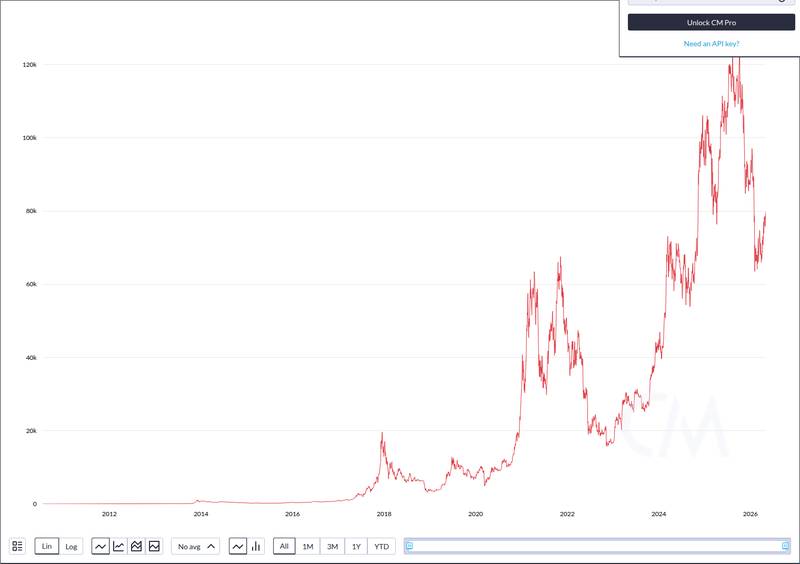
Why Corporate Bitcoin Exposure Carries Balance-Sheet Risk
Strategy’s Q1 report is a case study in balance-sheet volatility. Companies holding Bitcoin face mark-to-market swings that traditional treasury assets like bonds or cash equivalents do not produce at this magnitude.
For investors evaluating firms with significant Bitcoin treasuries, the distinction between realized and unrealized losses is essential. Strategy did not sell its Bitcoin at a loss; the company’s holdings simply declined in market value during the reporting window. If Bitcoin recovers in subsequent quarters, those losses can reverse just as dramatically.
The report arrives as institutional interest in Bitcoin-linked financial products continues to evolve. The upcoming launch of CME Group Bitcoin volatility futures contracts underscores how the market is building new tools to manage exactly the kind of exposure that shaped Strategy’s quarter.
What to Watch After the Q1 Report
The most important variable for Strategy’s future quarters is Bitcoin’s price trajectory. A sustained recovery would reverse much of the unrealized loss, while further declines would deepen it.
Investors will also watch whether Strategy adjusts its capital strategy, including whether the company continues to accumulate Bitcoin or modifies its financing approach. Developments in institutional crypto infrastructure could influence how corporate treasuries manage digital asset risk going forward.
Market participants tracking corporate Bitcoin adoption should also monitor whether the scale of Strategy’s reported loss discourages other firms from pursuing similar treasury strategies, or whether it is treated as a predictable consequence of holding a volatile asset on a public balance sheet.
Governance decisions across the broader crypto ecosystem, such as recent DAO treasury management votes, reflect the growing complexity of managing large digital asset positions in transparent, accountable ways.
Disclaimer: This article is for informational purposes only and does not constitute financial or investment advice. Cryptocurrency and digital asset markets carry significant risk. Always do your own research before making decisions.