Polygon Wallet Adds Shielded USDC, USDT as Polygon Labs Launches Transfers
Polygon Wallet now supports shielded USDC and USDT payments after Polygon Labs launched shielded stablecoin transfers on April 30, 2026, routing private transactions through Hinkal’s zero-knowledge shielded pool while maintaining compliance screening on every transfer.
What Polygon Wallet’s shielded USDC and USDT update adds
The Polygon Wallet at wallet.polygon now includes a “Privately Send” option for USDC and USDT. When selected, the wallet routes transfers through Hinkal’s shielded pool instead of executing a standard public on-chain transfer.
Zero-knowledge proofs verify each transaction without revealing the sender address, recipient address, or transfer amount. The entire flow is non-custodial, meaning users retain control of their funds throughout the process.
KYT screening before every transfer
Polygon Labs positioned the feature as compliance-aware rather than fully opaque. Every private transfer undergoes Know Your Transaction (KYT) screening before execution, filtering out sanctioned or flagged addresses before the shielded transaction is processed.
This design separates Polygon’s approach from fully anonymous transfer tools. The privacy applies to public blockchain observers, not to regulatory compliance checks, a distinction that matters as regulators globally scrutinize privacy-focused crypto infrastructure.
Why Polygon Labs is launching shielded stablecoin transfers
The shielded transfer launch builds on Polygon’s growing dominance in stablecoin payment volume. In an April 29 blog post about Visa settlement integration, Polygon Labs said the network accounts for 34% of all USD-based stablecoin transfers and 54% of all USDC transfers.
Adding a privacy layer to a network already handling that volume of stablecoin activity addresses a specific user demand: businesses and individuals who want to transact in stablecoins without broadcasting payment details to anyone watching the blockchain.
Infrastructure-level integration, not a standalone tool
The shielded transfer capability is built directly into the Polygon Wallet rather than requiring users to interact with a separate privacy protocol. Hinkal provides the underlying shielded pool technology, but the user-facing experience stays within Polygon’s native wallet interface.
This approach lowers the friction compared to standalone privacy tools that require bridging funds or learning new interfaces. For users already holding USDC or USDT on Polygon, the “Privately Send” button is a single-click addition to their existing workflow, similar to how Aave recently streamlined its cross-chain transfer process to reduce friction for DeFi users.
What this means for Polygon’s stablecoin payment story
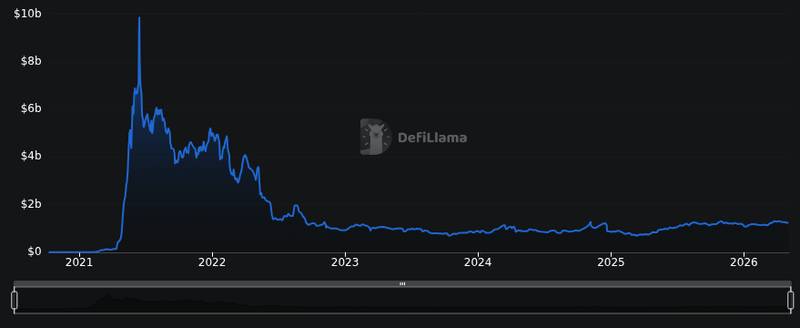
Polygon’s total value locked currently sits at approximately $1.24 billion, providing the liquidity base that makes stablecoin transfers practical at scale. The shielded payment feature adds a utility layer on top of that existing infrastructure.
POL traded at $0.098 with a market cap of roughly $1.04 billion at press time, up 0.88% over the past 24 hours. The muted price reaction suggests markets view this as a product improvement rather than an immediate token-price catalyst.
The launch comes at a time when institutional players are deepening their crypto market infrastructure investments, and privacy-preserving compliance is increasingly the model that institutional payment providers require. The crypto Fear and Greed Index registered a neutral 50 reading, reflecting a market environment where product announcements compete for attention against broader macroeconomic uncertainty.
The practical test for shielded stablecoin transfers will be adoption volume. Polygon’s advantage is that the feature is embedded in a wallet already serving a large stablecoin user base rather than launched as a separate product requiring new onboarding. Whether enterprises settling stablecoins through partners like Visa will eventually use shielded transfers remains an open question, but the infrastructure is now live for any Polygon Wallet user.
Disclaimer: This article is for informational purposes only and does not constitute financial or investment advice. Cryptocurrency and digital asset markets carry significant risk. Always do your own research before making decisions.