Canada Plans Nationwide Ban on Bitcoin ATMs: What It Means
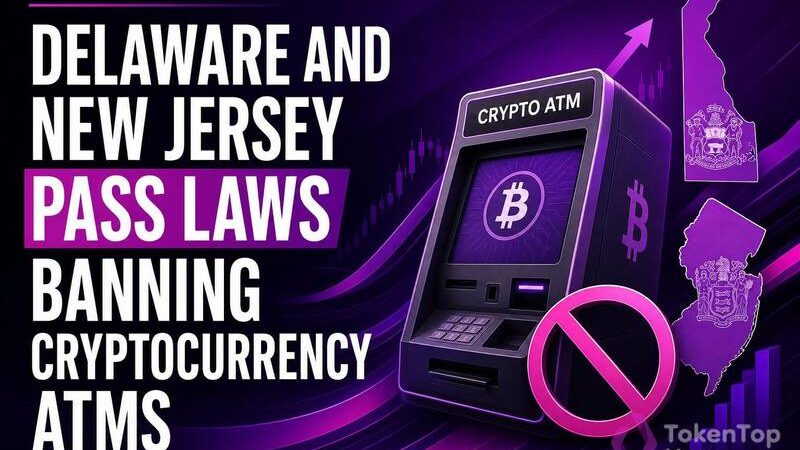
Canada has proposed a nationwide ban on cryptocurrency ATMs, a move that would make it a criminal offence to operate one anywhere in the country. The proposal, included in the Spring Economic Update 2026 tabled on April 28, targets what officials describe as a tool used by scammers and money launderers.
The plan does not single out Bitcoin BTC +0.00% -only machines. The federal government’s language covers all cryptocurrency automated teller machines, according to the Spring Economic Update 2026. Canada currently has nearly 4,000 cryptocurrency ATMs, the most per capita in the world.
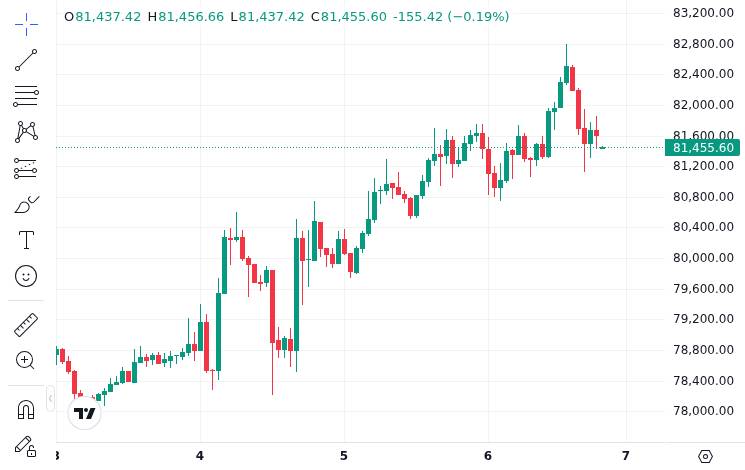
Bitcoin traded at $81,424 at press time, up 0.2% over the past 24 hours, while the broader crypto market’s Fear & Greed Index sat at 46, reflecting a cautious mood.
What Canada’s Proposed Crypto ATM Ban Would Cover
The proposal would amend the Proceeds of Crime (Money Laundering) and Terrorist Financing Act and its regulations to make operating a cryptocurrency ATM a criminal offence. This is not an enacted law. It is a legislative proposal that still requires parliamentary passage.
The update explicitly preserves an alternative access route. Canadians would still be able to buy virtual currencies from brick-and-mortar money services businesses even if the ban advances. The distinction matters: the government is targeting unattended kiosks specifically, not all physical crypto purchase points.
The proposal sits within a broader enforcement package that includes the creation of a new Financial Crimes Agency. FINTRAC, the country’s existing financial intelligence unit, revoked the registration of 84 money services businesses in March 2026 alone, signaling an aggressive compliance push that preceded the ATM proposal.
Why Regulators Are Targeting Crypto ATMs
The federal government frames the ban as a consumer protection and anti-crime measure. The Spring Economic Update states the proposal aims to “shut down a method scammers use to defraud victims and criminals use to place cash proceeds of crime.”
Crypto ATMs have drawn regulatory scrutiny in several jurisdictions because they allow relatively anonymous cash-to-crypto conversions. Canada’s position as the global leader in per-capita crypto ATM density has made the issue particularly visible to policymakers. The pairing of the proposed ban with a new Financial Crimes Agency suggests Ottawa views ATM-facilitated laundering as a systemic rather than isolated problem.
The enforcement ramp-up is already underway. The 84 MSB revocations in a single month represent an unusually aggressive pace from FINTRAC, consistent with the government’s stated goal of tightening oversight before the ban legislation moves forward. Regulators in other countries have also been reassessing how retail investors access crypto, though few have proposed outright hardware bans.
What a Nationwide Ban Could Mean for Users and Operators
For retail users, the most immediate effect would be the loss of a cash-based on-ramp to crypto. Crypto ATMs serve users who prefer not to use exchanges or lack access to traditional banking. The government’s carve-out for brick-and-mortar MSBs means in-person purchases would remain legal, but convenience and availability would decline.
For operators, the stakes are existential. Tristan Fong, whose company Localcoin operates one of Canada’s largest ATM networks, responded directly to the proposal.
“This proposal represents a sweeping measure that risks undermining an entire industry.”
— Tristan Fong, via Newswire
Localcoin has called for industry consultation rather than an outright ban. The company’s response highlights a tension in the proposal: compliant operators argue they already follow KYC and AML requirements, and a blanket ban punishes legitimate businesses alongside bad actors.
The broader crypto market has been adjusting to shifting regulatory frameworks globally. Recent moves like exchange delistings and new futures listings reflect an industry where access points are constantly being reshaped by policy decisions.
The next milestone to watch is whether the proposal advances through parliamentary debate and committee review. As a component of the Spring Economic Update rather than standalone legislation, its timeline is tied to the broader fiscal package. No specific implementation date has been announced.
Disclaimer: This article is for informational purposes only and does not constitute financial or investment advice. Cryptocurrency and digital asset markets carry significant risk. Always do your own research before making decisions.