Tether-backed Adecoagro to launch sugarcane-powered bitcoin mining in Brazil
Adecoagro, the Latin American agricultural company backed by Tether, is set to launch a bitcoin BTC +0.00% mining operation in Brazil powered by surplus energy from sugarcane processing, combining agricultural infrastructure with cryptocurrency in an unusual pairing.
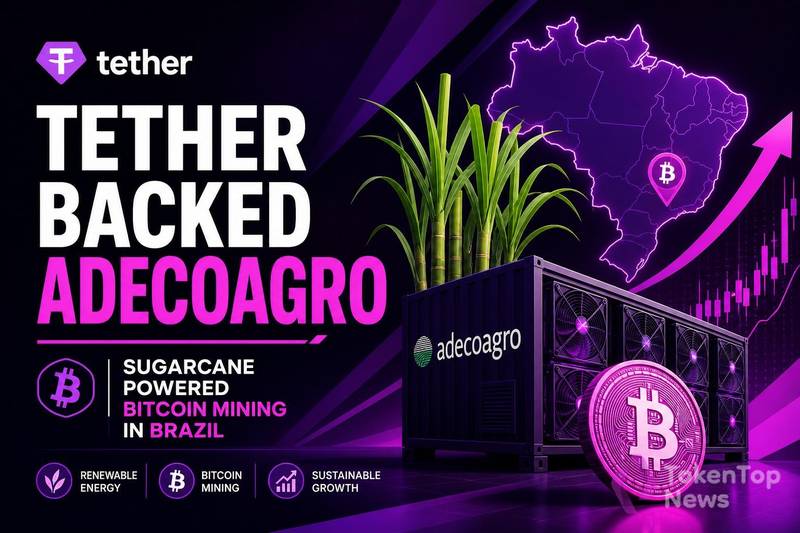
The initiative pairs Adecoagro’s existing sugarcane-based energy infrastructure with bitcoin mining hardware, according to an announcement on Adecoagro’s investor relations page. The project uses renewable energy generated as a byproduct of sugarcane ethanol and sugar production, a process that produces biomass-derived electricity. This is a mining infrastructure project, not a token issuance or stablecoin product.
Tether, the issuer of the USDT stablecoin, acquired a 70% stake in Adecoagro as part of a broader push into sustainable infrastructure beyond its core stablecoin business. The mining venture represents a concrete application of that strategy, linking agricultural operations directly to Bitcoin network participation.
Why sugarcane energy changes the mining calculus
Bitcoin mining economics hinge on electricity costs. Operations that secure cheap, reliable power hold a structural advantage over competitors paying grid rates or relying on fossil fuels. Sugarcane processing generates surplus electricity from bagasse, the fibrous material left after juice extraction, which can be burned to produce steam and power.
This setup positions the project differently from typical mining operations. Rather than sourcing energy externally, Adecoagro can route excess generation capacity from its own mills into mining rigs. Brazil’s sugarcane harvest cycle also means energy production is tied to an existing agricultural supply chain, not purpose-built power infrastructure.
The distinction matters for an industry under growing scrutiny over energy consumption. Mining operations powered by renewable byproducts carry a different profile than those drawing from coal or natural gas grids, a factor that increasingly influences where institutional capital flows. Companies like HIVE, which recently saw its bitcoin holdings decline sharply in Q1, illustrate how mining economics and treasury management remain tightly linked.
No operational details, hashrate targets, or financial projections have been confirmed in the available announcements. Readers should evaluate the project on execution milestones as they emerge rather than on the announcement alone.
What this signals for mining in Brazil
Brazil already hosts significant renewable energy capacity, including hydroelectric and wind power. Adding sugarcane biomass to the list of energy sources feeding bitcoin mining expands the country’s positioning as a destination for energy-conscious mining operations.
The Tether-Adecoagro partnership connects a major crypto-native company with an established agricultural firm that has operational infrastructure already in place. This is not a greenfield mining site that needs years of development; it leverages existing energy generation.
The project arrives as regulatory frameworks around crypto continue to evolve in multiple jurisdictions, including Brazil, which has moved to formalize its approach to digital assets. Meanwhile, enforcement actions like the U.S. Treasury’s recent sanctions on Nobitex highlight how compliance and jurisdictional considerations shape the landscape for crypto operations globally.
Whether the operation scales meaningfully will depend on execution, the volume of surplus energy available, and how mining economics shift with Bitcoin’s price and network difficulty. The key areas to watch are deployment timelines, realized hashrate, and whether the sugarcane-mining model proves replicable at other Adecoagro facilities.
Disclaimer: This article is for informational purposes only and does not constitute financial or investment advice. Cryptocurrency and digital asset markets carry significant risk. Always do your own research before making decisions.